
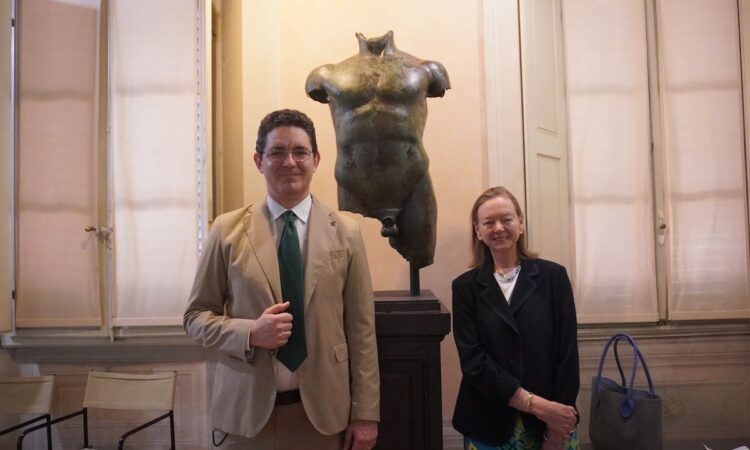
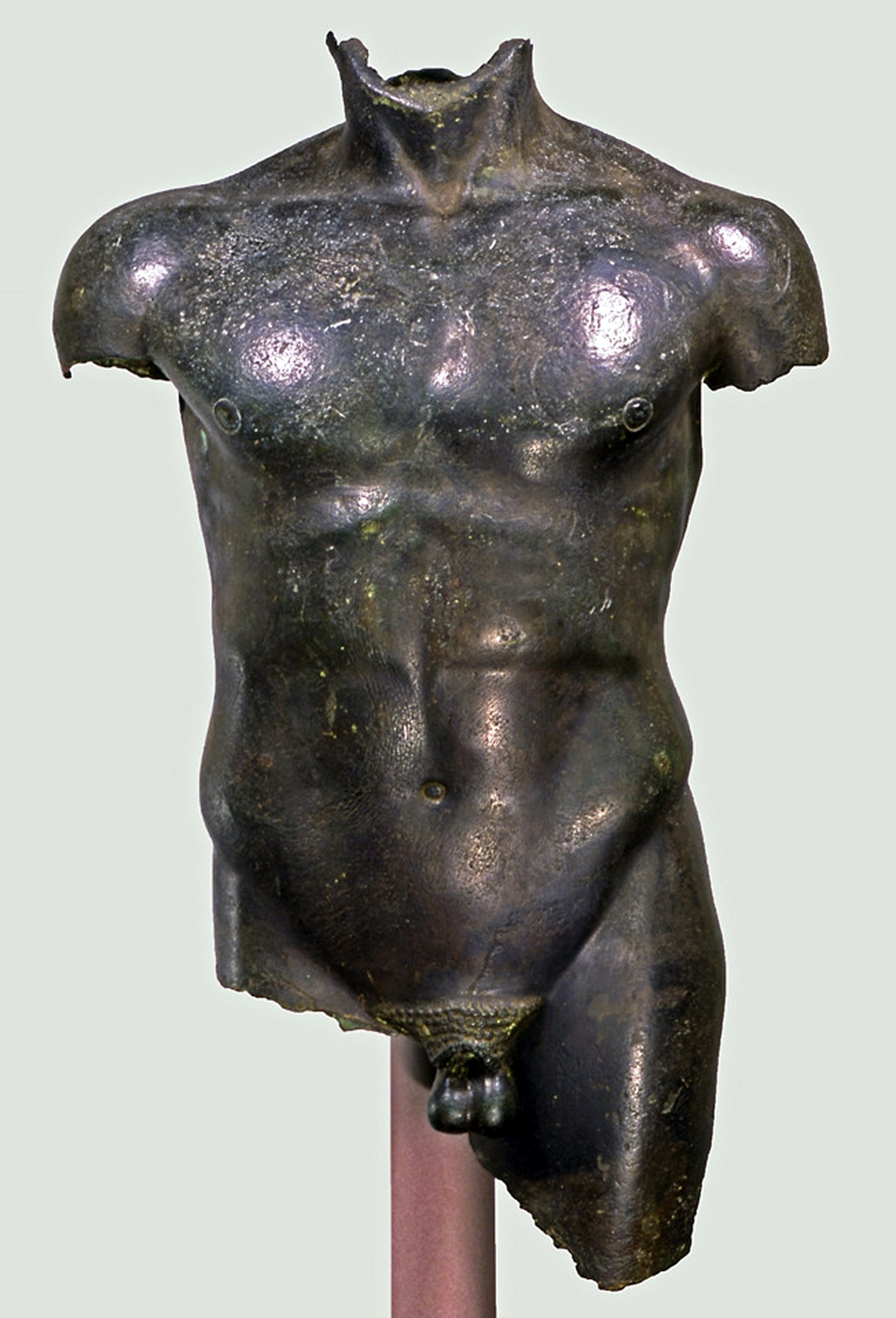
The celebrated Livorno Torso, an ancient bronze sculpture that forms part of the National Archaeological Museum of Florence’s collection of monumental bronzes, has returned to public display after an extensive restoration and scientific study.
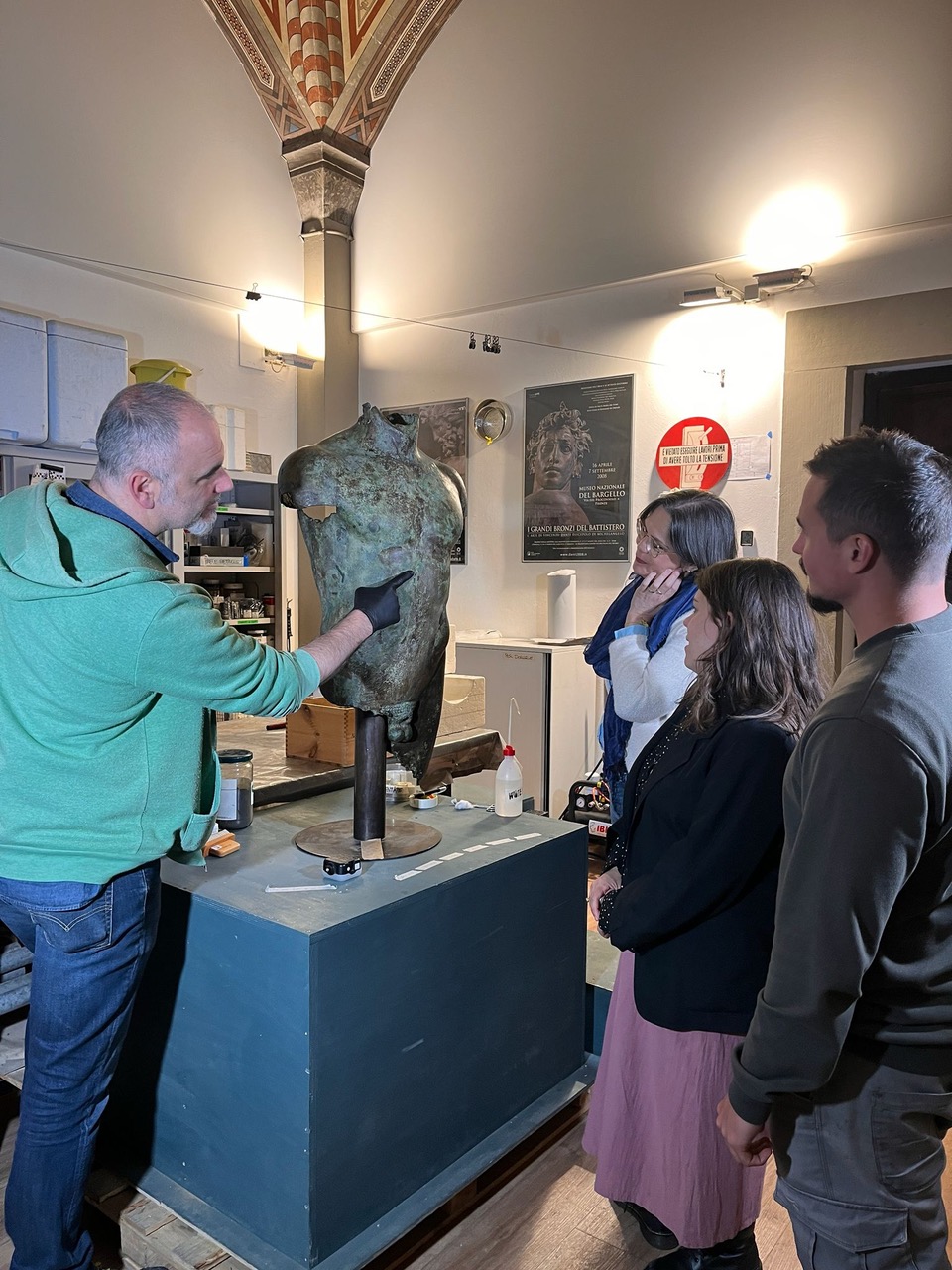
The project, which began in 2024, combined conservation work with advanced technological analysis and was made possible through support from Friends of Florence. The restoration was carried out by conservator Nicola Salvioli in collaboration with a team of Italian and international specialists.
The sculpture has been part of the Medici collections since at least the time of Cosimo I de’ Medici in the 16th century and appears among the artworks depicted in Johann Zoffany’s famous painting The Tribuna of the Uffizi. Despite its long history in Florence, many aspects of the bronze remain uncertain, including whether it is an original Greek work or a Roman copy and how it entered the Medici collections.
New clues from scientific research
Researchers confirmed that the sculpture spent a significant period underwater, a conclusion supported by evidence found during the restoration. The work also revealed traces of marine deposits and shell remains preserved inside the bronze.
As with many bronzes from the Medici collections, the sculpture was covered by dark surface coatings applied in later centuries. Removing these layers allowed conservators to address corrosion issues and recover variations in the original appearance of the metal surface.
The restoration was accompanied by a wide-ranging diagnostic campaign using both non-invasive and micro-invasive techniques to study the alloy and the processes that affected it over time.
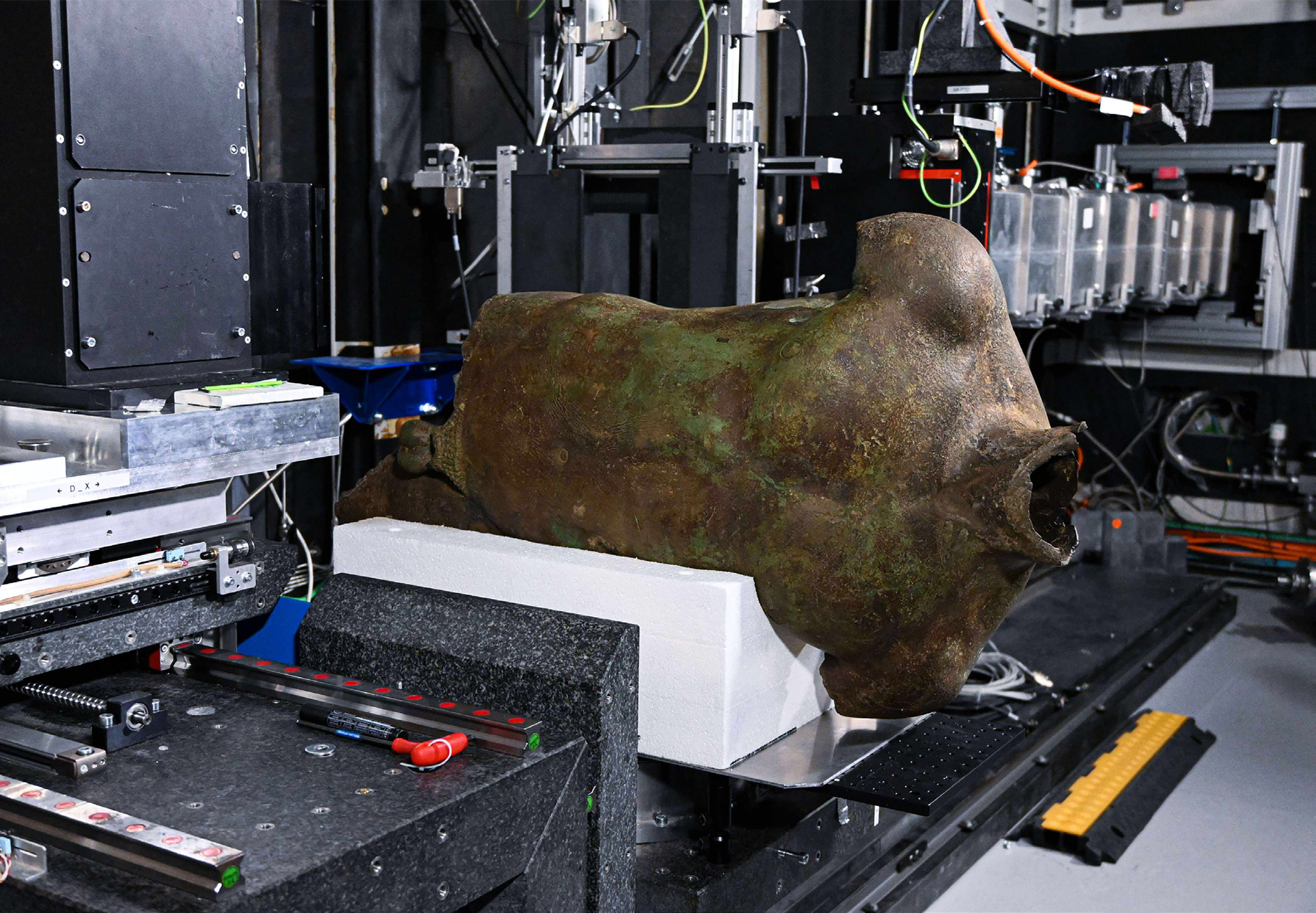
One of the most significant stages of the research took place in June 2024 at the Institute Laue-Langevin in Grenoble, France. There, scientists applied neutron imaging technology to the sculpture. According to the museum, this was the first time the technique had been used on a bronze sculpture of such monumental scale.
Museum research and public engagement
The project reflects the growing role of museums as centres of scientific research as well as conservation. Findings from the restoration and analytical studies will be presented during a dedicated study day scheduled at the Florence museum on September 17.
Alongside the conservation work, Salvioli also designed a new display support intended to improve the sculpture’s structural stability and presentation.
From the museum to Palazzo Strozzi
The bronze will remain at the National Archaeological Museum throughout the summer. From September 25, it will become part of Broken. The Power of the Fragment, a major exhibition at Palazzo Strozzi running until January 24, 2027.
The exhibition will explore the theme of the fragment from archaeology to contemporary art, placing the Livorno Torso within a broader discussion of incomplete and damaged works and their enduring cultural significance.
For visitors to Florence, the sculpture’s return offers a rare opportunity to view one of the city’s most important ancient bronzes following a project that has not only improved its conservation but also expanded knowledge of its long and still partially mysterious history.
❤️ Support Florence Daily News
If you liked this article, please consider supporting Florence Daily News.
We are an independent news site, free from paywalls and intrusive ads, committed to providing clear and reliable reporting on Florence and Tuscany for everyone.
Your support — whether a one-time gift or a regular contribution — helps us stay independent and keep telling the stories that matter.
Donate securely via Stripe below.
Make a one-time donation
Make a monthly donation
Make a yearly donation
Choose an amount
Or enter a custom amount
Your contribution is appreciated.
Your contribution is appreciated.
Your contribution is appreciated.
Discover more from Florence Daily News
Subscribe to get the latest posts sent to your email.