
In July 2025, I travelled to Bulgaria for the second time to deepen my field study of the history, origins and society of the ancient Thracians. My visit took me to Starosel, near Hisarya, in the Plovdiv region, an area containing numerous archaeological sites dating mainly from the Classical Thracian period.
The concentration of temples, burial mounds and aristocratic tombs led the Bulgarian archaeologist Georgi Kitov to identify the area as a major Thracian cult centre.
The temple beneath the Chetinyova Mound
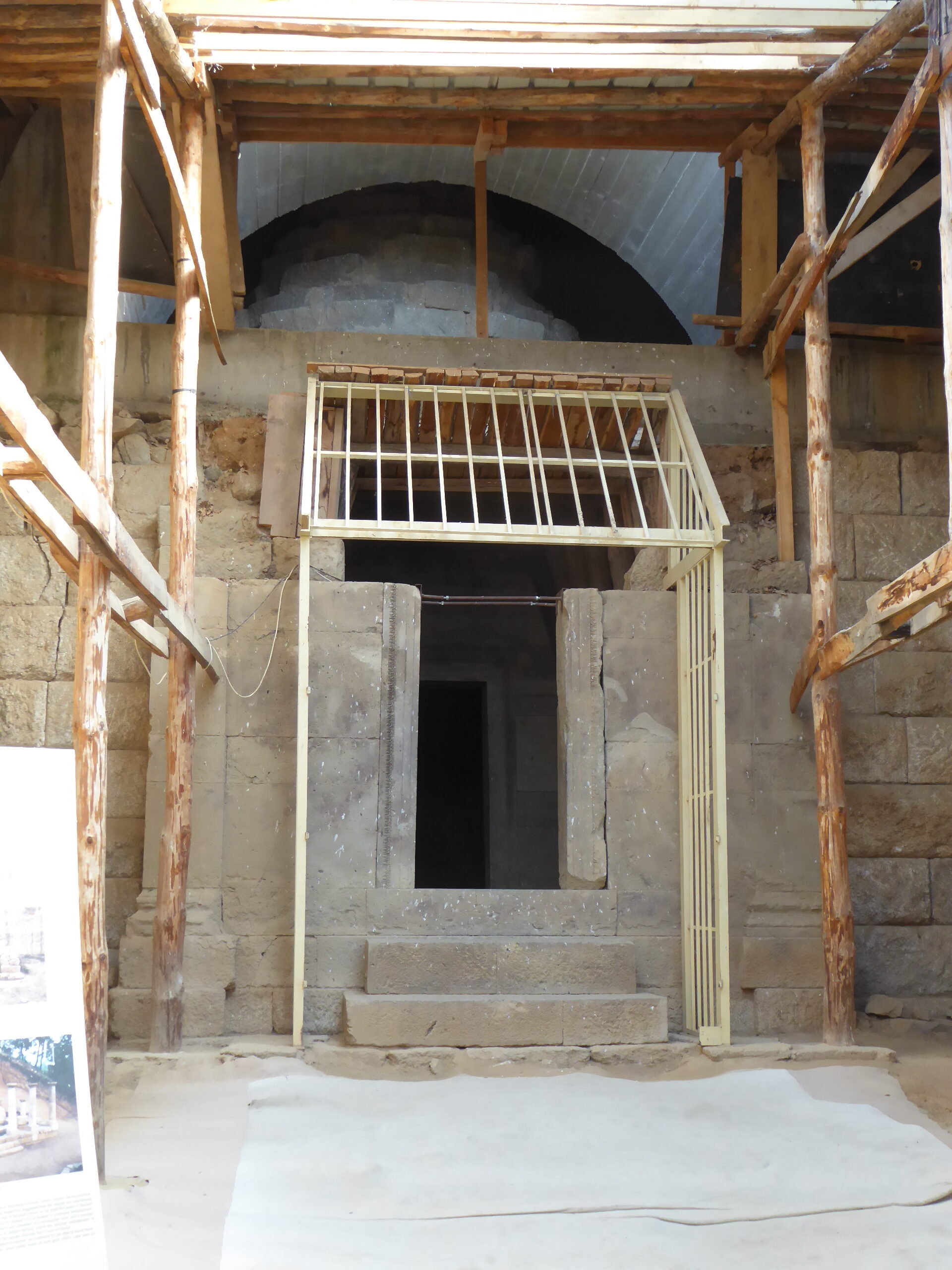
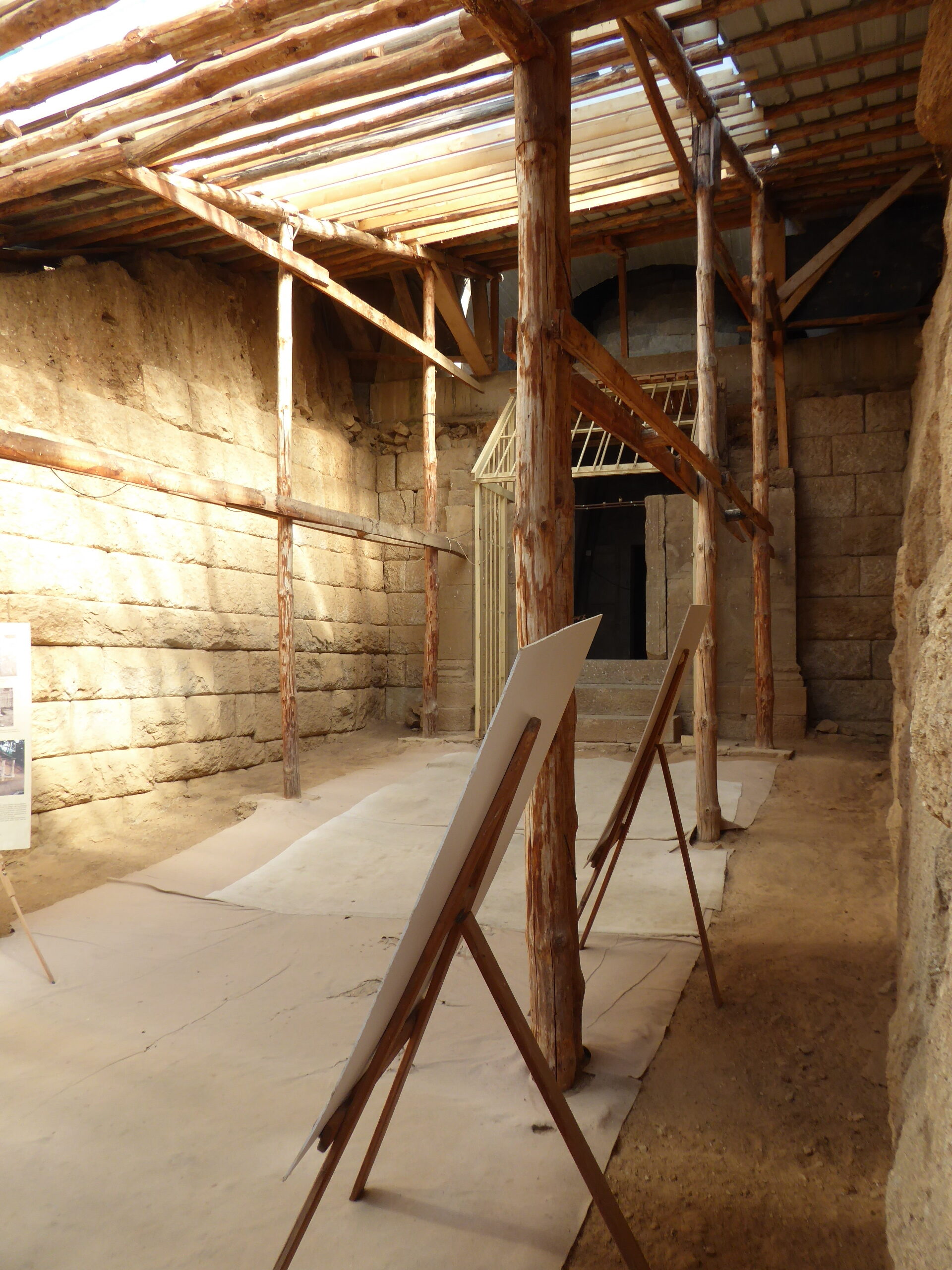
Among the most remarkable monuments at Starosel is the temple beneath the Chetinyova Mound, discovered in 2000 by Kitov during the Thracian Expedition for Tumuli Investigations.
The surrounding landscape appears to have been carefully selected: the monument occupies an elevated position overlooking several sites regarded as sacred by the Thracians.
Its construction demonstrates considerable architectural and engineering expertise. Built from carefully dressed local grey sandstone, the complex consists of a monumental façade, a ten-metre-long entrance passage, an antechamber and a circular inner chamber.
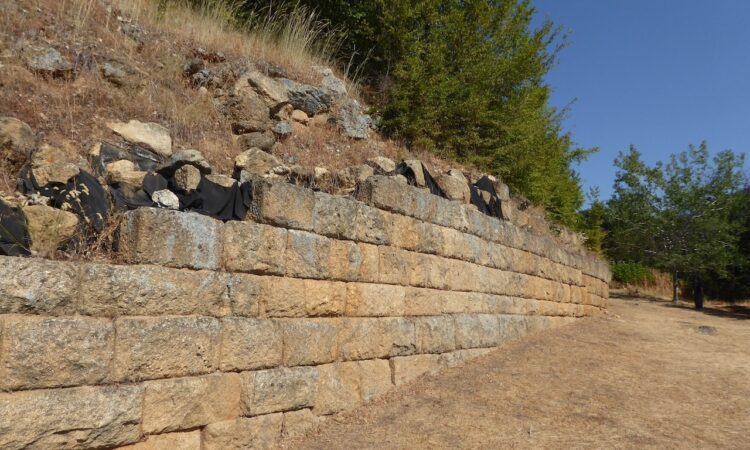
The retaining wall surrounding the mound reaches approximately five metres in height, with individual stone blocks weighing between 200 and 500 kilograms.
Architecture and Thracian cosmology
The architectural design combines elements derived from the Doric order with distinctive Thracian artistic and religious conventions.
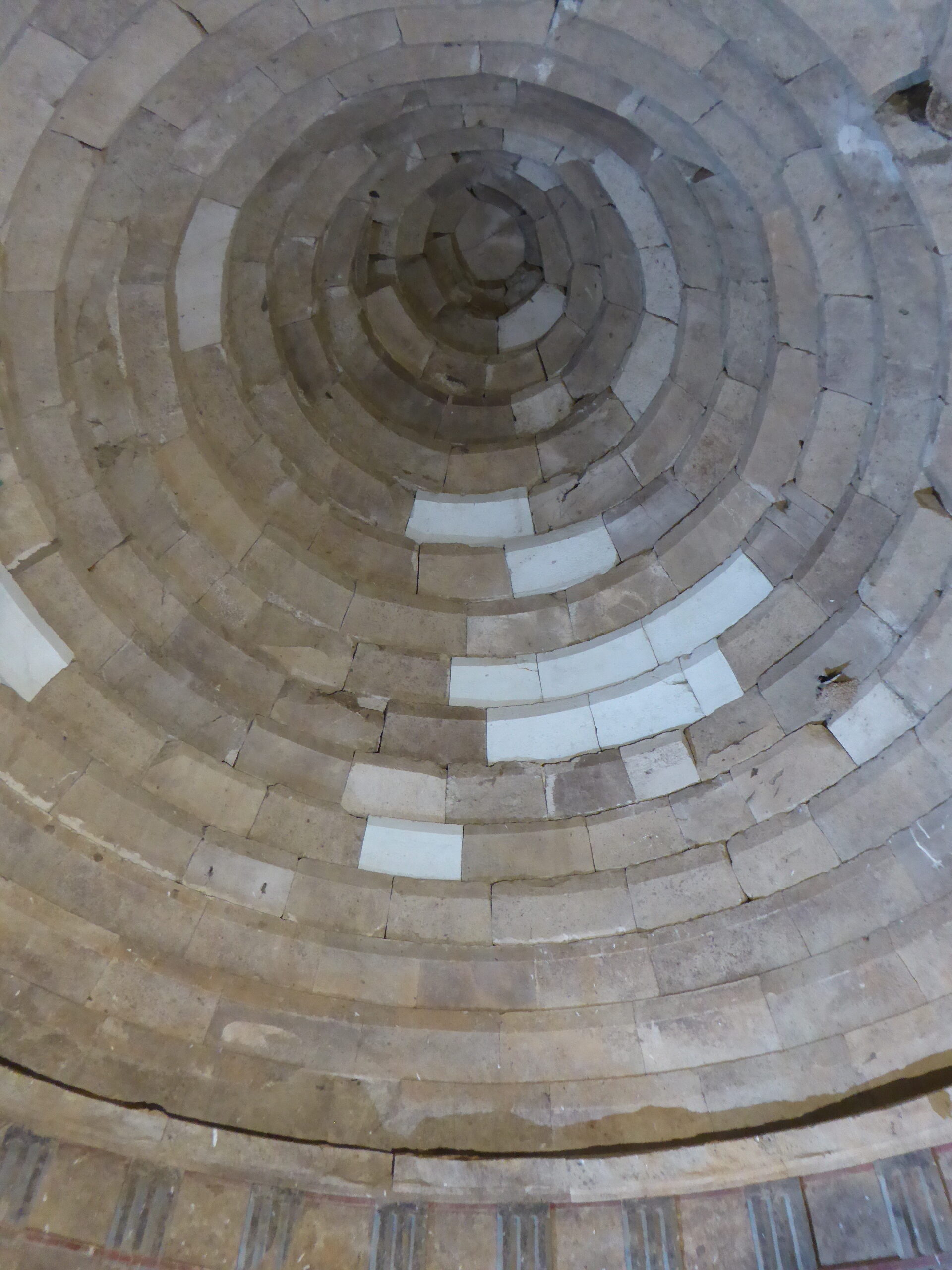
The entrance stairs and internal architectural features appear to possess symbolic significance. The three steps leading into the temple correspond, according to the Thracian cosmological conception, to the three divisions of the cosmos: the Underworld, Earth and Heaven. Decorative motifs resembling eggs are interpreted as symbols of eternal life.
Particular importance is attributed to evidence that the building was not originally intended as a tomb but as a temple, where Orphic rites and the cult of a ruler deified after death may have been practised.
The repeated movement of a double-leaf door, evidenced by deep grooves in the threshold, supports the interpretation that the interior was repeatedly accessed during ceremonies.
The circular inner chamber, measuring 5.40 metres in diameter, contains ten semi-columns crowned with Doric capitals and a frieze of alternating triglyphs and metopes. The triglyphs preserve traces of three colours — dark blue or black, red and light blue — which are associated symbolically with the Underworld, Earth and Heaven.
The mystery of the circular chamber
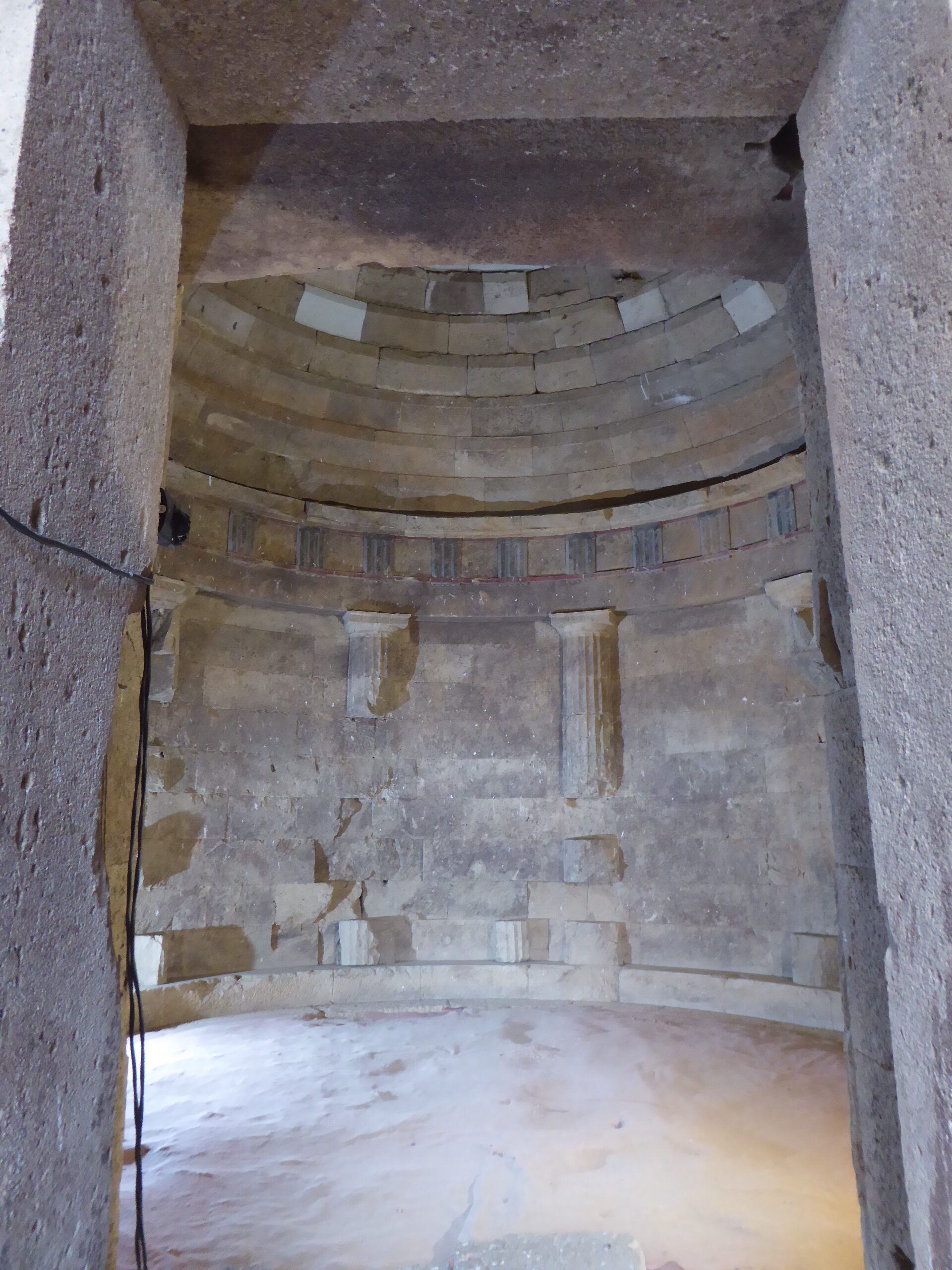
The original dome of the circular chamber was approximately eight metres high but collapsed in antiquity for unknown reasons. Archaeologists reconstructed it in 2012 through anastylosis.
The precise origin and meaning of the circular shape of Thracian funerary monuments remain debated. There are theories connecting it either with the shape of Thracian houses or with the symbolism of the maternal womb and the rebirth of the deceased in the afterlife.
The mound is enclosed by an imposing 241-metre-long stone krepis, estimated to comprise more than 5,000 carefully worked blocks. Its circular shape is interpreted as a representation of the Sun and as a boundary defining the sacred space.
A large basin on the northern side, capable of holding five to six tonnes, contained fragments of cups, jugs and ceramic strainers, suggesting that wine was stored there for ritual purposes, although the use of water for purification ceremonies cannot be excluded.
A Thracian king and the Odrysian Kingdom
Approximately 30 metres from the temple lies the tomb of a Thracian king, containing rich royal and military grave goods.
The scale and magnificence of the Chetinyova complex indicate that its construction required substantial financial and human resources and suggest an association with one of the most powerful rulers of the Odrysian Kingdom.
Built between the late fifth and early fourth centuries BC, it is the largest underground Thracian temple discovered in Bulgaria and in the entire Balkan Peninsula.
(Photos by Patrizio Caini)
❤️ Support Florence Daily News
If you liked this article, please consider supporting Florence Daily News.
We are an independent news site, free from paywalls and intrusive ads, committed to providing clear and reliable reporting on Florence and Tuscany for everyone.
Your support — whether a one-time gift or a regular contribution — helps us stay independent and keep telling the stories that matter.
Donate securely via Stripe below.
Make a one-time donation
Make a monthly donation
Make a yearly donation
Choose an amount
Or enter a custom amount
Your contribution is appreciated.
Your contribution is appreciated.
Your contribution is appreciated.
Patrizio Caini is holder of a Master’s Degree in Biological Sciences (Pathophysiological curriculum) and a Ph.D. in Clinical and Experimental Medicine. Secondary School Teacher, Publicist Journalist, Certified Sports Technician – Trekking Instructor, and Behavioural Analyst (specialised in techniques for analysing verbal, paraverbal, and non-verbal communication and in lie detection methods). He boasts an extensive scientific, educational, and outreach career, with numerous international publications and appointments at universities, research institutions, and government bodies.
Discover more from Florence Daily News
Subscribe to get the latest posts sent to your email.