
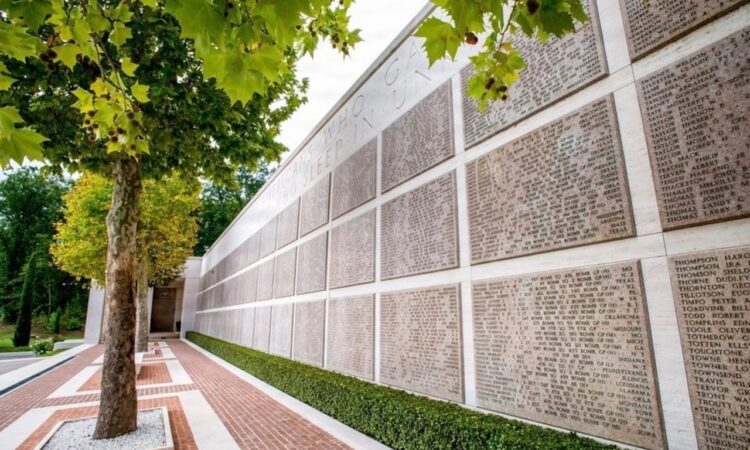
A U.S. soldier who disappeared during fighting in the Tuscan Apennines in 1944 has been identified more than eight decades later, closing a long-standing chapter of World War II history connected to the Florence area. The identification of Army Private First Class St. Clair M. Gibson was confirmed in 2025, according to a report by journalist Linda Lambiotte published on the U.S. Department of Defense platform DVIDS.
For years, Gibson had been buried as an unknown soldier at the Florence American Cemetery, just south of Florence. His remains were exhumed and identified through modern forensic techniques, before being reburied with full military honours at the Arlington National Cemetery in March 2026.
A missing soldier in the Tuscan mountains
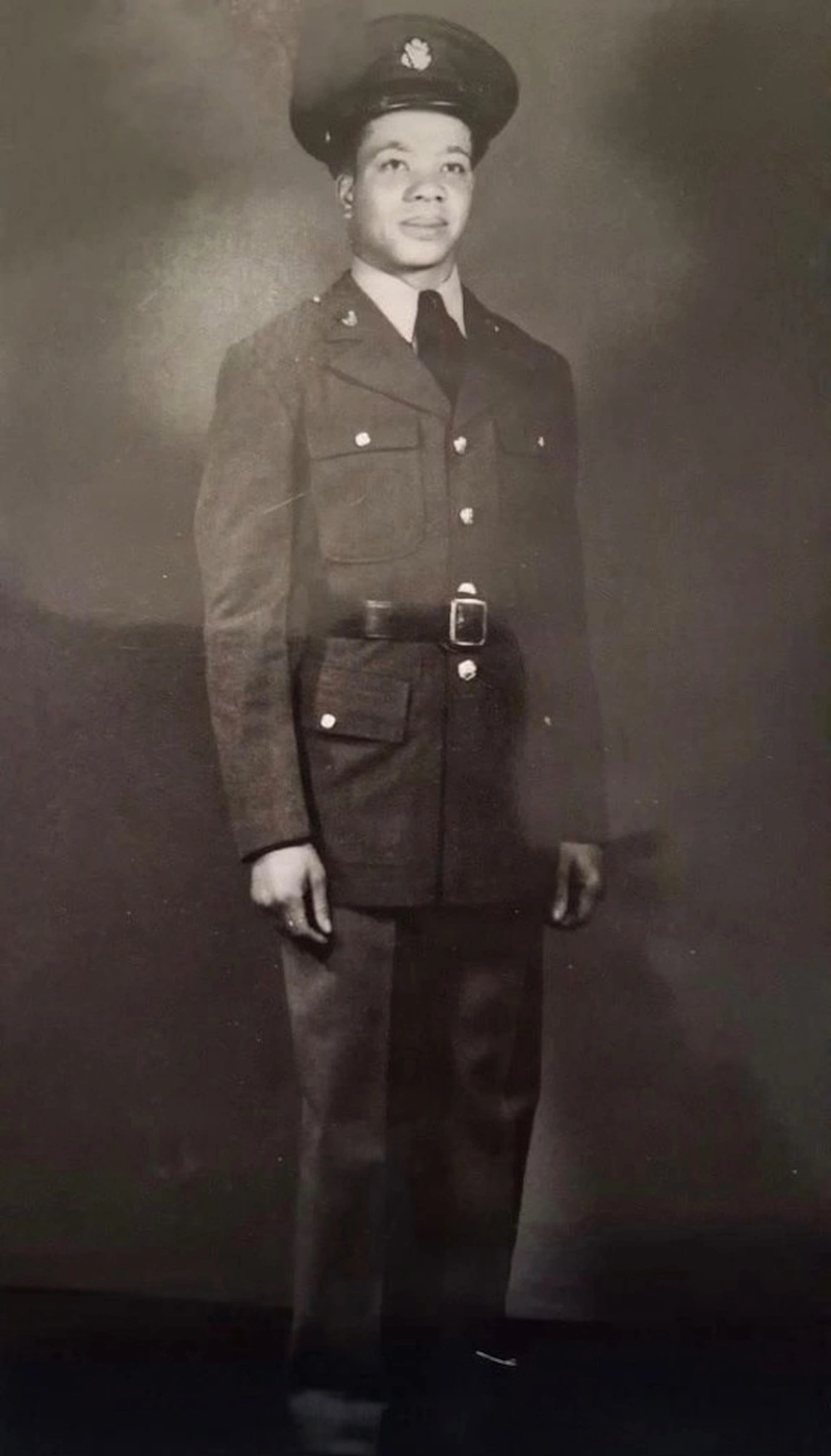
Gibson, originally from New Haven, Connecticut, served in the 371st Infantry Regiment, part of the segregated 92nd Infantry Division, one of the few African American divisions deployed in combat in Europe. Its troops were often referred to as “Buffalo Soldiers”, a term historically used for Black U.S. Army units.
He went missing on 18 November 1944 during heavy fighting near Monte Canala, in the mountainous area above Seravezza. At the time, Allied forces were pushing north against German defensive lines in difficult terrain.
The conditions made recovery operations extremely difficult. After the war, remains found in the area could not be identified with the technology available in the 1940s and were buried as unknown. By 1949, the case had been officially closed.
Identification decades later
The case was reopened in 2017, when the remains known as “Unknown X-272” were exhumed from the Florence American Cemetery. Advances in DNA analysis and dental comparison allowed the Defense POW/MIA Accounting Agency to confirm Gibson’s identity in May 2025.
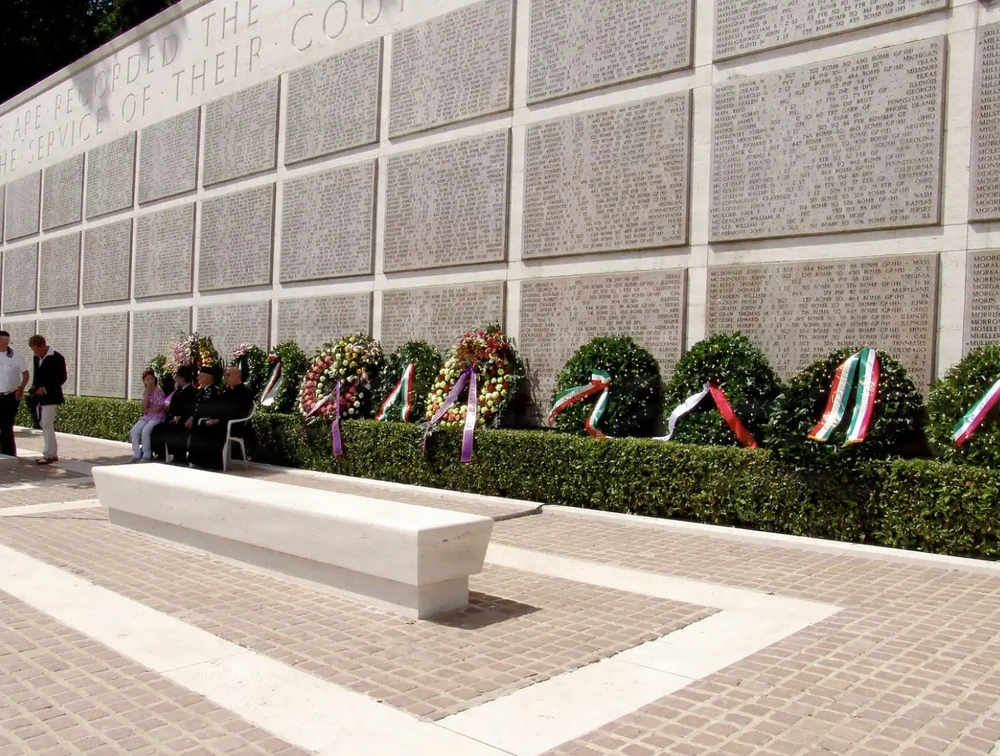
His name is now engraved among those commemorated at the cemetery in Impruneta, where thousands of American soldiers who died in the Italian campaign are buried or remembered. At the Florence American Cemetery, it also appears on the Tablets of the Missing, where a bronze rosette will mark that he has now been identified; he was buried with full military honours at Arlington National Cemetery on March 10, 2026.
Florence, Tuscany and the Allied campaign
The story highlights the strong historical link between Tuscany and the Allied military effort during World War II. Between 1943 and 1945, U.S. and Allied troops fought across central Italy, including in the Apennines and along defensive lines that crossed the region.
Florence itself was liberated in August 1944 after weeks of fighting in the surrounding countryside. The advance northwards continued through mountainous areas such as those where Gibson disappeared, often under harsh winter conditions and with heavy casualties.
The Florence American Cemetery remains one of the most visible reminders of that campaign. It contains more than 4,000 graves and commemorates over 1,400 missing soldiers, offering a tangible connection between Tuscany and the United States’ role in the war.
A story tied to Liberation Day
The identification comes just days before Liberation Day, when Italy marks the end of Nazi occupation and Fascist rule in 1945.
Each year, ceremonies across Tuscany remember both the Italian Resistance and the Allied forces who contributed to the country’s liberation. Stories like Gibson’s add a personal dimension to that history, showing how individual lives were shaped by battles fought in places that are now quiet rural landscapes.
The return of his name, after more than 80 years, reflects ongoing efforts to recover and identify missing soldiers from World War II, many of whom were lost in remote areas such as the Tuscan Apennines.
Source: adapted from reporting by Linda Lambiotte, U.S. Army Garrison Italy, published on DVIDS.
(Cover photo: Chiara Mattirolo / U.S. Army Garrison Italy via DVIDS)
❤️ Support Florence Daily News
If you liked this article, please consider supporting Florence Daily News.
We are an independent news site, free from paywalls and intrusive ads, committed to providing clear and reliable reporting on Florence and Tuscany for everyone.
Your support — whether a one-time gift or a regular contribution — helps us stay independent and keep telling the stories that matter.
Donate securely via Stripe below.
Make a one-time donation
Make a monthly donation
Make a yearly donation
Choose an amount
Or enter a custom amount
Your contribution is appreciated.
Your contribution is appreciated.
Your contribution is appreciated.

Marco Bastiani is an Italian journalist based in Florence. He is the founder of Florence Daily News, launched in 2011, and has been working in journalism since 1998. Formerly political editor at Il Giornale della Toscana, he later took on senior communication roles in both public and private institutions. A board member of the Tuscan Foundation of the Order of Journalists and a member of ASET, the Tuscan association of food, wine and agri-food journalists, he loves the sea and Greece, and has two children.
Discover more from Florence Daily News
Subscribe to get the latest posts sent to your email.