
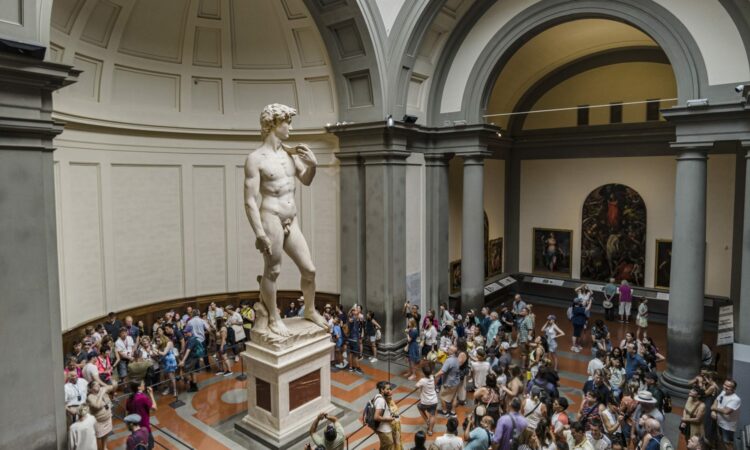
The recent increase in ticket prices at several of Florence’s civic and state museums has reopened a familiar debate: how much should access to art and culture cost, and who is meant to pay for it.
The official reasons are well known. Higher ticket prices are presented as a way to curb overtourism, discouraging quick, low-value visits, and as a tool to raise funds for conservation, staffing and infrastructure. Both arguments are reasonable, and neither can be dismissed lightly. Florence’s museums are under constant pressure, and maintaining historic buildings and collections is expensive.
Yet it is far from clear that higher prices are the most effective solution to either problem.
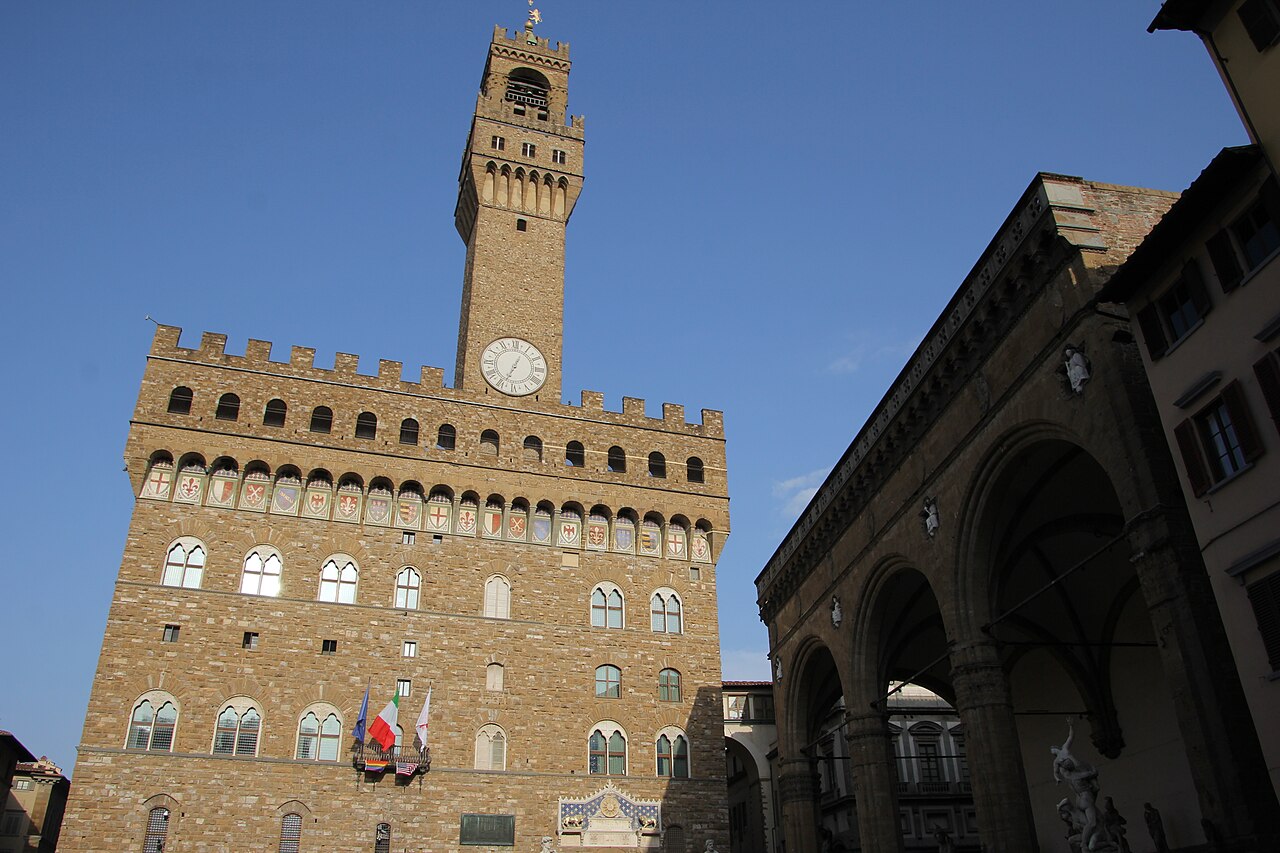
Does raising prices really reduce overtourism?
Experience suggests that price increases tend to have a limited impact on mass tourism in cities like Florence. Visitors who have travelled across continents to see the David or the Uffizi are unlikely to change their plans because of a few extra euros. What higher prices do affect more directly are local residents, students, families and repeat visitors — precisely those groups for whom museums could be part of everyday cultural life rather than a once-in-a-lifetime experience. Initiatives such as free tickets for minors or free admission to Italian state museums on the first Sunday of every month are attempts to move in this direction, but rather timid ones.
If the goal is to manage visitor flows, other tools often prove more effective: timed entry systems, differentiated pricing by season or time of day, better distribution of visitors across museums and neighbourhoods, and stronger investment in less-visited sites. Pricing alone risks becoming a blunt instrument that excludes without truly regulating.
There is also a different line of reasoning, increasingly common in contemporary societies, which holds that value must be monetised in order to be recognised as such. According to this view, if people pay to go to the cinema, attend a concert, stream music or subscribe to digital platforms, then museums too should have a clear price, otherwise they risk being perceived as less valuable.
From this perspective, free access appears almost suspicious, as if culture without a ticket were culture without worth. Yet this logic works in reverse: it turns cultural participation into a marker of purchasing power rather than a shared civic experience. Instead of broadening access, it normalises exclusivity and reinforces the idea that culture is something to consume selectively, not a common resource to be encountered, questioned and returned to over time.
Funding culture: the ticket is not the only model
The idea that museums must largely fund themselves through ticket sales is also not the only possible approach. A comparison with London is instructive.
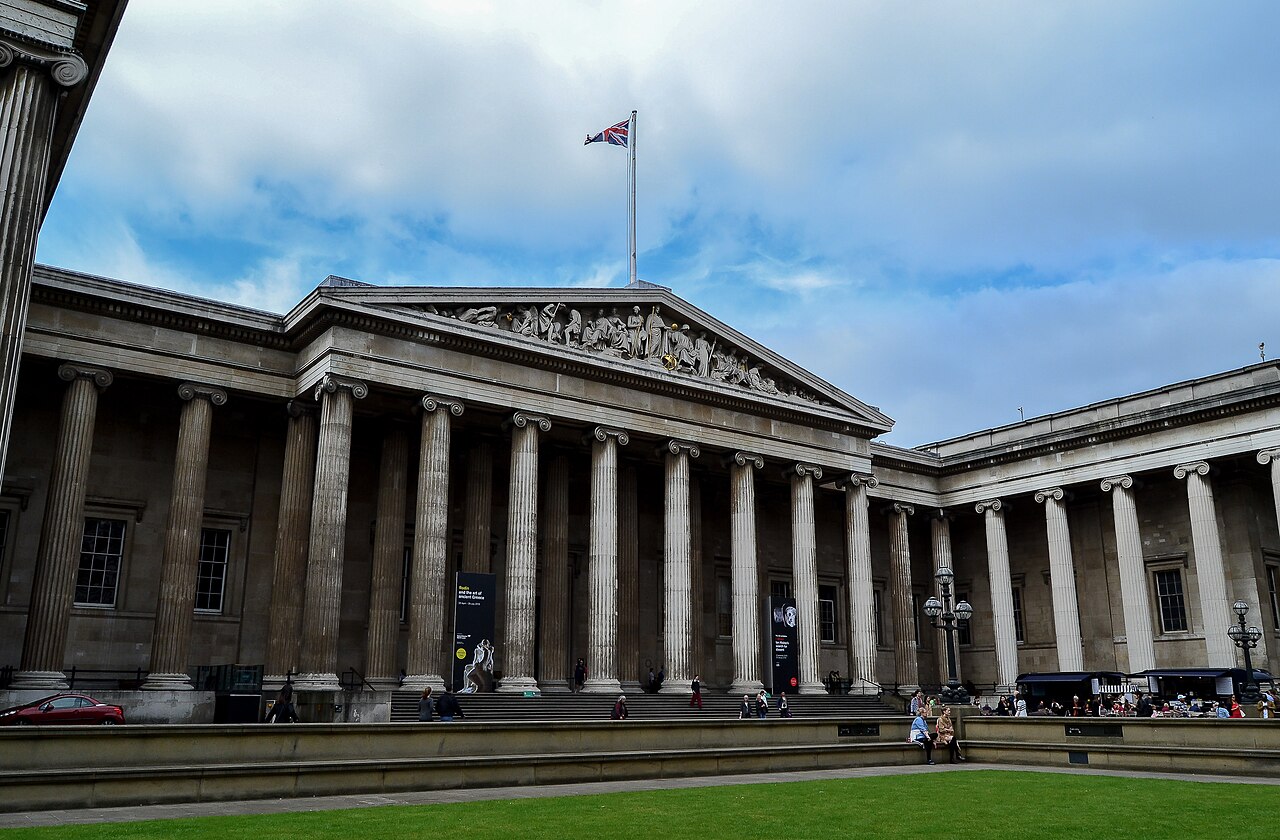
Major institutions such as the British Museum, the National Gallery, the Tate Modern and the Victoria and Albert Museum offer free access to their permanent collections. This is not a marginal cultural environment: London faces intense overtourism and has one of the highest costs of living in Europe.
These museums are supported through a mix of public funding, philanthropy, sponsorships and revenue from temporary exhibitions, shops and cafés. Free entry has not prevented them from attracting millions of visitors, nor from carrying out major conservation and research projects. Instead, it has reinforced the idea that museums are a public service, not a luxury product.
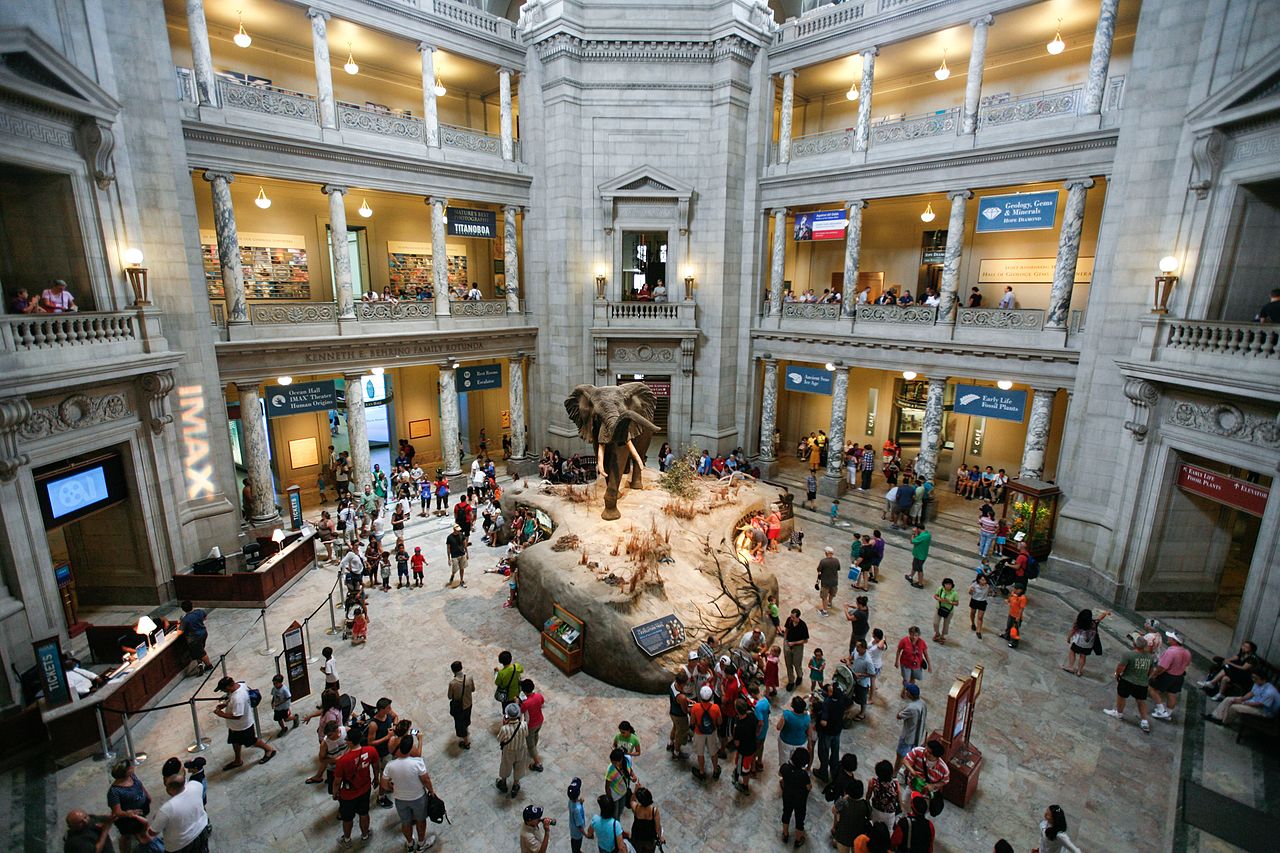
Similar models exist elsewhere. In Washington, D.C., all Smithsonian museums — including the Smithsonian National Museum of Natural History and the Smithsonian National Air and Space Museum — are free to enter, despite operating in a major global tourist destination. In Northern Europe, institutions such as the National Museum of Scotland in Edinburgh or the Irish Museum of Modern Art in Dublin offer permanent collections at no cost. These cases show that free access to museums is not an isolated exception, but a deliberate cultural choice adopted in cities facing high visitor numbers and high living costs.
A cultural question, not just an economic one
At its core, the debate over ticket prices is not only about budgets or crowd control. It is about the role museums are expected to play in society.
Are museums primarily showcases, places that enhance the international visibility of a city and the prestige of those who manage them? Or are they instruments for sharing knowledge, beauty and historical understanding as widely as possible?
If museums are treated mainly as revenue-generating attractions, higher prices make sense. If they are seen as cultural infrastructure, like libraries, schools or public parks, then accessibility becomes a central value, not a secondary concern.
Florence, more than almost any other city, lives with the tension between these two visions. Its artistic heritage is both a global draw and a local inheritance. Raising ticket prices may help balance accounts in the short term, but it risks quietly shifting museums away from everyday civic life and further towards an exclusive, consumption-based model of culture.
The question, ultimately, is not whether art has a cost, it does, but who should bear it, and to what end.
❤️ Support Florence Daily News
If you liked this article, please consider supporting Florence Daily News.
We are an independent news site, free from paywalls and intrusive ads, committed to providing clear and reliable reporting on Florence and Tuscany for everyone.
Your support — whether a one-time gift or a regular contribution — helps us stay independent and keep telling the stories that matter.
Donate securely via Stripe below.
Make a one-time donation
Make a monthly donation
Make a yearly donation
Choose an amount
Or enter a custom amount
Your contribution is appreciated.
Your contribution is appreciated.
Your contribution is appreciated.
DonateDonate monthlyDonate yearly
Marco Bastiani is an Italian journalist based in Florence. He is the founder of Florence Daily News, launched in 2011, and has been working in journalism since 1998. Formerly political editor at Il Giornale della Toscana, he later took on senior communication roles in both public and private institutions. A board member of the Tuscan Foundation of the Order of Journalists and a member of ASET, the Tuscan association of food, wine and agri-food journalists, he loves the sea and Greece, and has two children.
Discover more from Florence Daily News
Subscribe to get the latest posts sent to your email.