
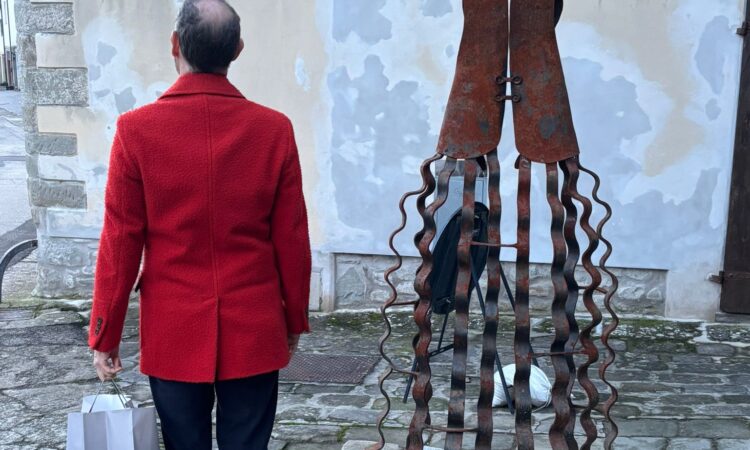
It is a tradition that spans centuries, a precise and unrepeatable process carried out using a textile machine of which only two examples exist today: one preserved in the city museum, the other — until recently — inside the one factory still in operation. We are speaking of Casentino cloth, a fabric that is not merely an item of clothing, but the expression of an entire Tuscan culture.
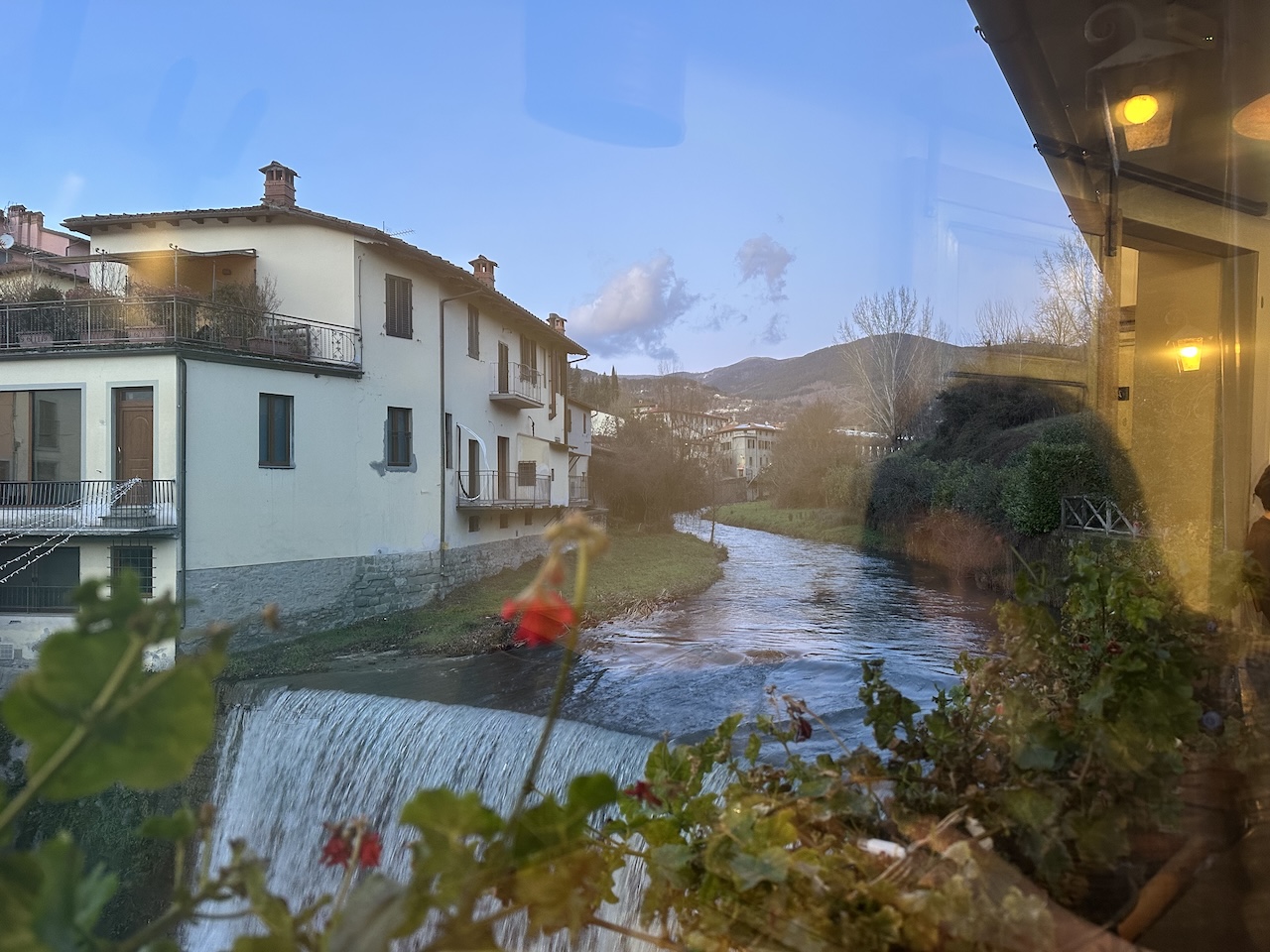
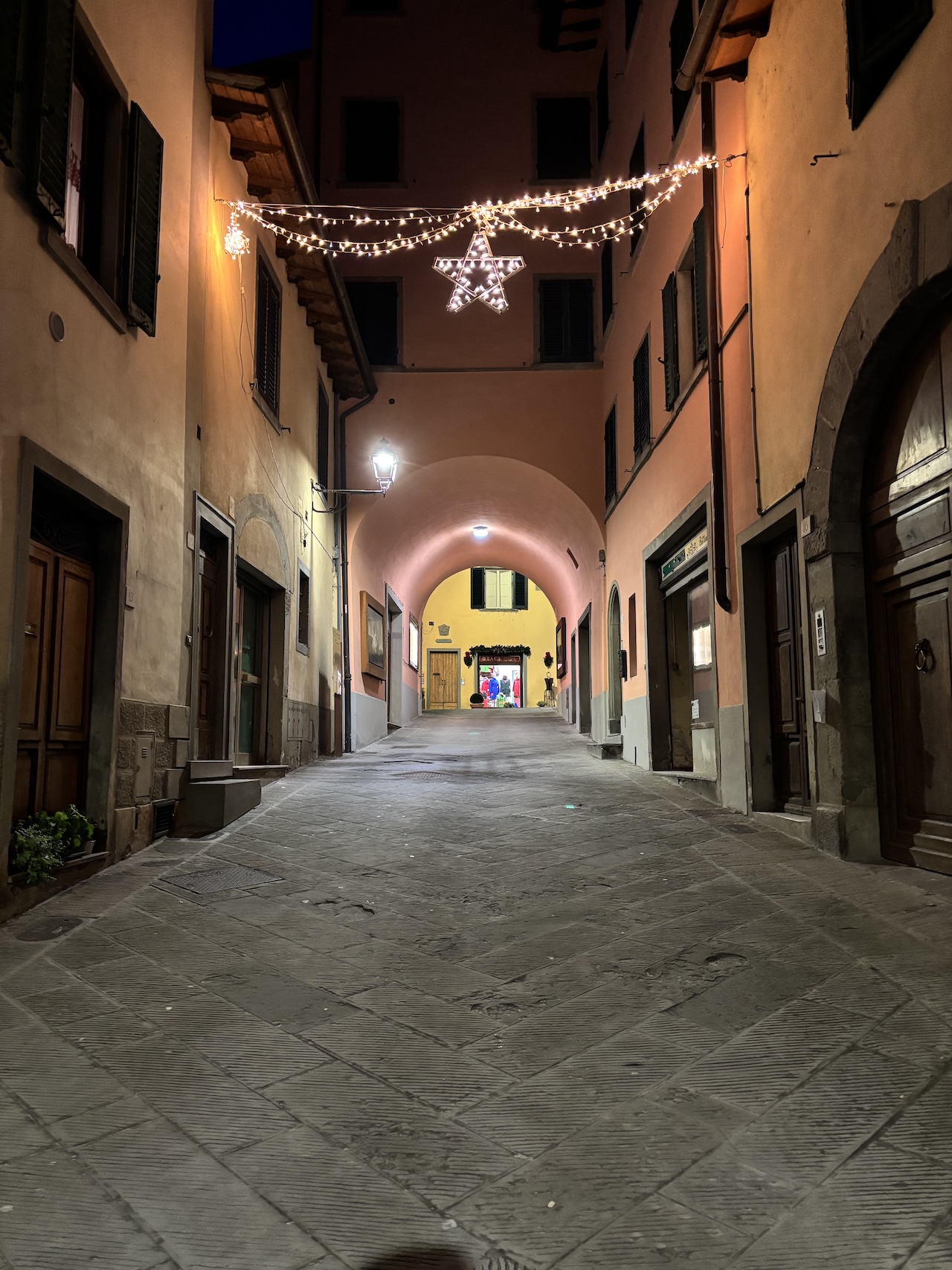
Arriving today in the towns of the Casentino valley in search of a coat means confronting a heavy silence. Many shops are closed; others survive as best they can. Some shopkeepers ask visitors to leave a phone number: “We’ll call you when the fabric returns to the factory, when we’re able to produce garments again.” It is a fragile, suspended hope. Others vent openly, speaking of despair, of regional aid that only goes so far, of major investments promised by entrepreneurs that never materialized. Everything now seems to have come to a standstill.
This paralysis has a precise name: the liquidation of the Manifattura del Casentino in Soci, near Bibbiena. It was the last factory in the world capable of producing the original Casentino cloth, famous for its vivid orange or deep green color and its curled surface, created through a special machine — the arricciatrice — and a body of knowledge passed down through generations. The last thirteen workers have been laid off, and the historic machinery risks being dismantled if no buyer steps in in time.

Founded in the 19th century, the Manifattura preserved a tradition whose roots reach back to the Renaissance, when this rough, durable wool was used for monks’ habits and coachmen’s coats. Over time, it became a symbol of functional elegance, loved by aristocrats, intellectuals, and fashion designers alike. Audrey Hepburn made it iconic by wearing it in Breakfast at Tiffany’s, sealing its place in fashion history.
The factory’s closure is not an isolated case but reflects the broader crisis of Italy’s textile sector. After surviving the bankruptcy of its previous ownership in 2022, the company struggled with soaring energy costs, disruptions in raw material supply caused by global tensions, and the loss of key export markets such as Russia. Revenues dropped dramatically, to the point that electricity was eventually cut off for unpaid bills. Liquidation became inevitable.
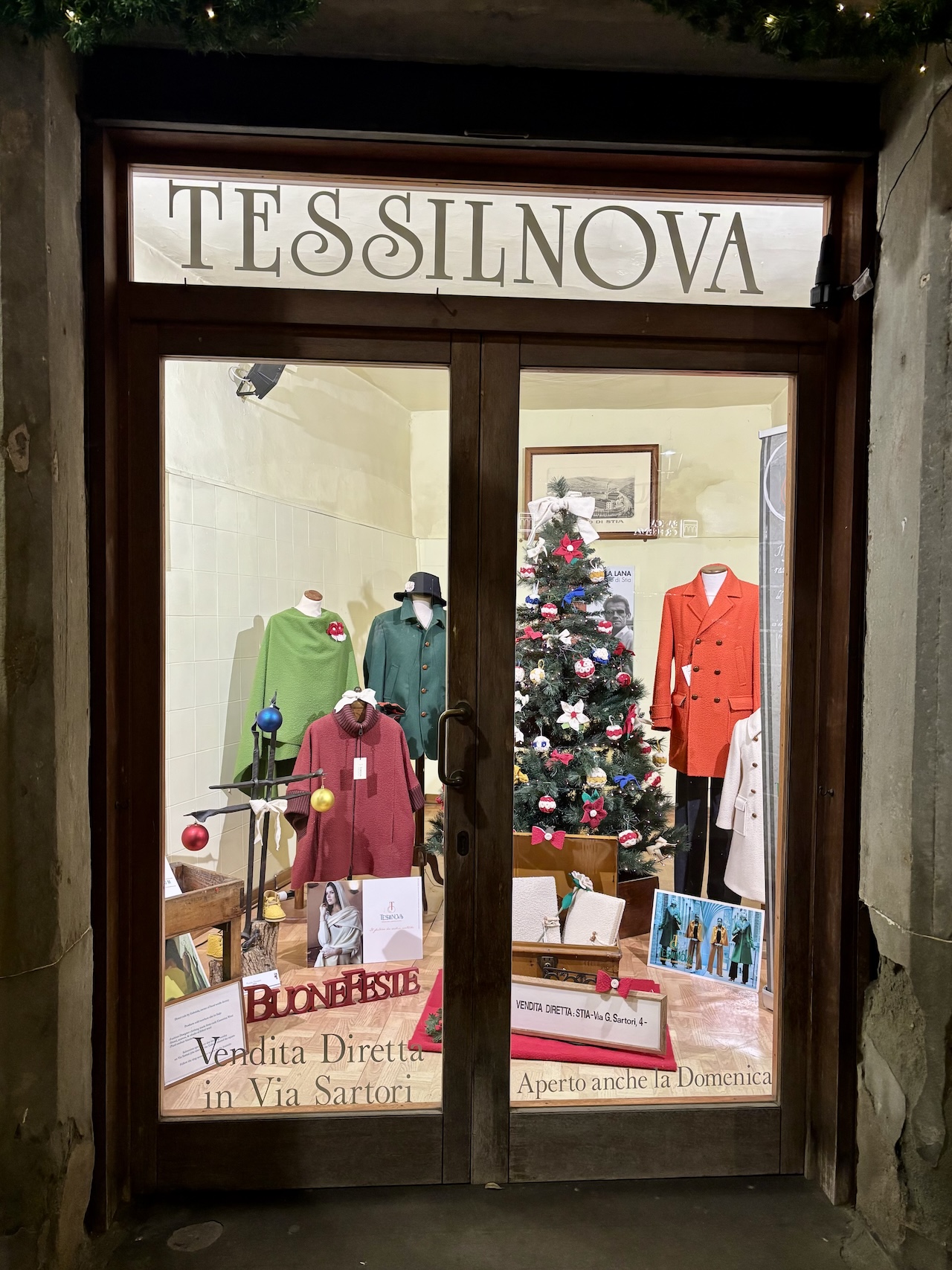
The repercussions are spreading throughout the valley. Local suppliers, artisans, and designers warn that the disappearance of the Manifattura could destroy an entire production chain. Even the Tessilnova mill in nearby Stia, which supplied unfinished fabrics for final processing, now sees its own future at risk. The curling technique that gives Casentino cloth its soul cannot be replicated elsewhere: it requires specific machinery, rare expertise, and unique environmental conditions.
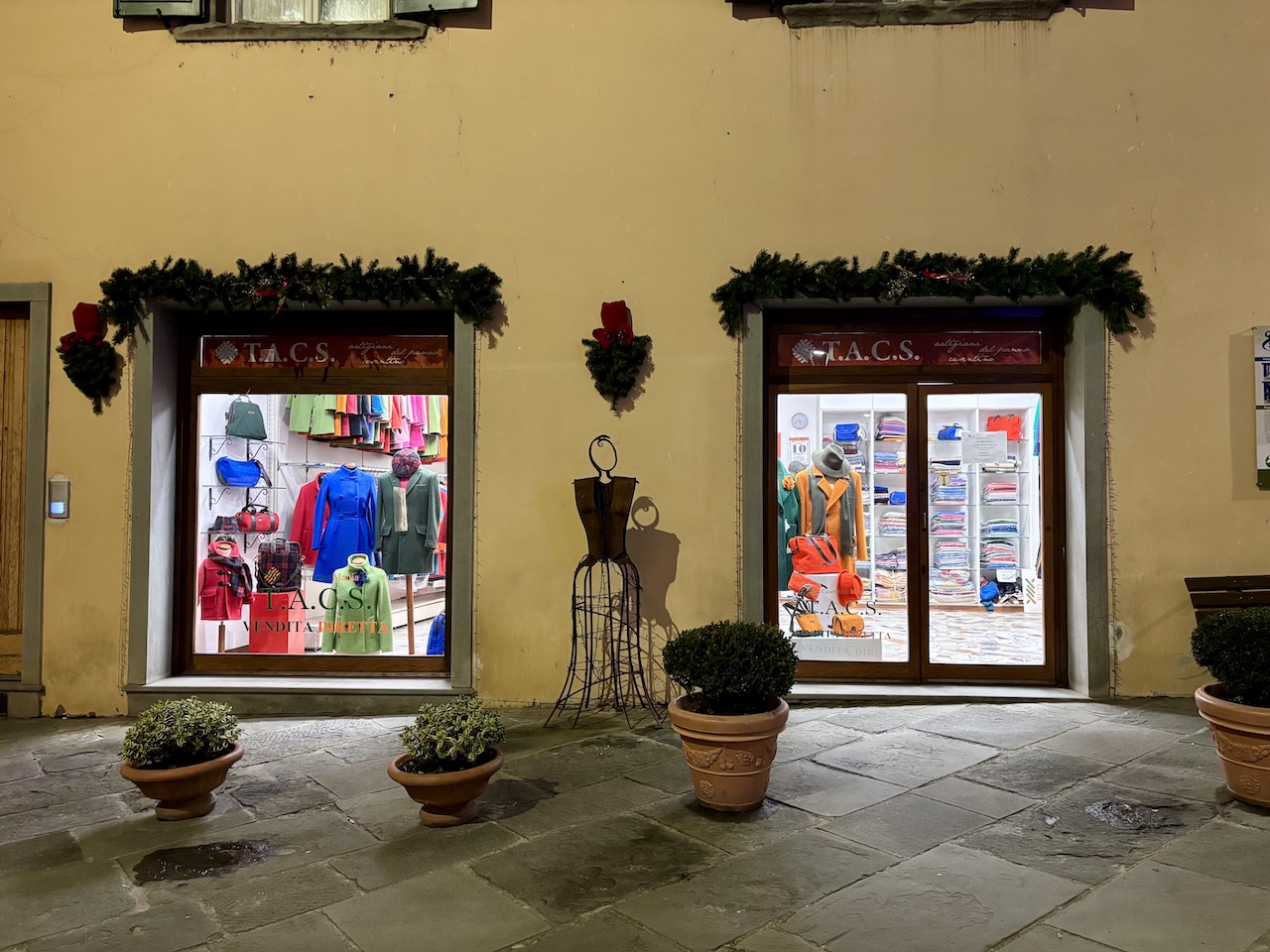
This is no minor detail. The water used to achieve those deep, long-lasting colors exists only here, where the Arno River rises. It is a delicate balance between territory, raw material, and human knowledge that no relocation can reproduce. Some companies, such as the internationally known brand Tacs, which has a boutique in Florence, are seeking alternatives elsewhere in Tuscany, but they acknowledge that the Casentino valley cannot truly be replicated.
The loss, therefore, goes far beyond economics. The orange and green coats once worn by kings, artists, and film icons embodied a resilient Tuscany, capable of blending utility, beauty, and identity. If no solution is found in the coming weeks, the world will lose not just a product, but a living heritage: a fabric that for more than six centuries has woven together the history, landscape, and memory of the Casentino valley.
❤️ Support Florence Daily News
If you liked this article, please consider supporting Florence Daily News.
We are an independent news site, free from paywalls and intrusive ads, committed to providing clear and reliable reporting on Florence and Tuscany for everyone.
Your support — whether a one-time gift or a regular contribution — helps us stay independent and keep telling the stories that matter.
Donate securely via Stripe below.
Make a one-time donation
Make a monthly donation
Make a yearly donation
Choose an amount
Or enter a custom amount
Your contribution is appreciated.
Your contribution is appreciated.
Your contribution is appreciated.
DonateDonate monthlyDonate yearly
Eirini Lavrentiadou is an actress and singer, born in Thessaloniki in 1992. She lives in Florence, where she trained at the city’s Theatre Academy and the Fiesole School of Music. She has performed in classical Greek and European plays, worked with international directors and companies, and appeared in concerts ranging from opera to jazz. She contributes to Florence Daily News as a writer.
Discover more from Florence Daily News
Subscribe to get the latest posts sent to your email.