
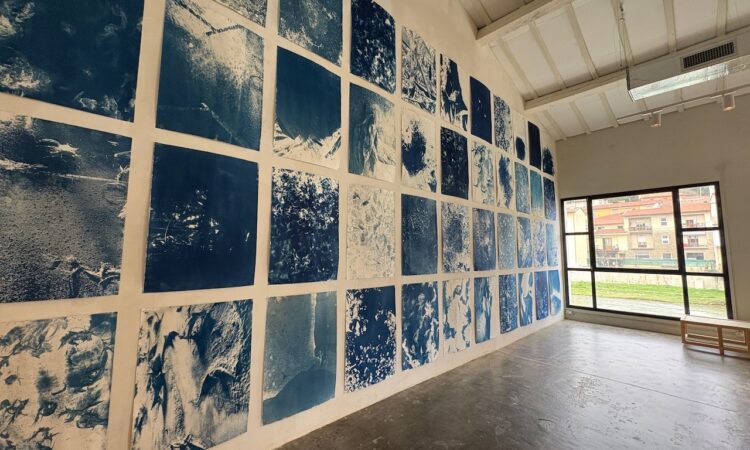
A new contemporary arts centre will open on 1 March in San Francesco, a small area of the municipality of Pelago, about 25 kilometres east of Florence in the Sieve valley. The Polytropon Arts Centre will inaugurate its spaces with a site-specific installation by Italian artist Alfredo Pirri, marking an ambitious cultural project outside the usual circuits of Florence’s historic centre .
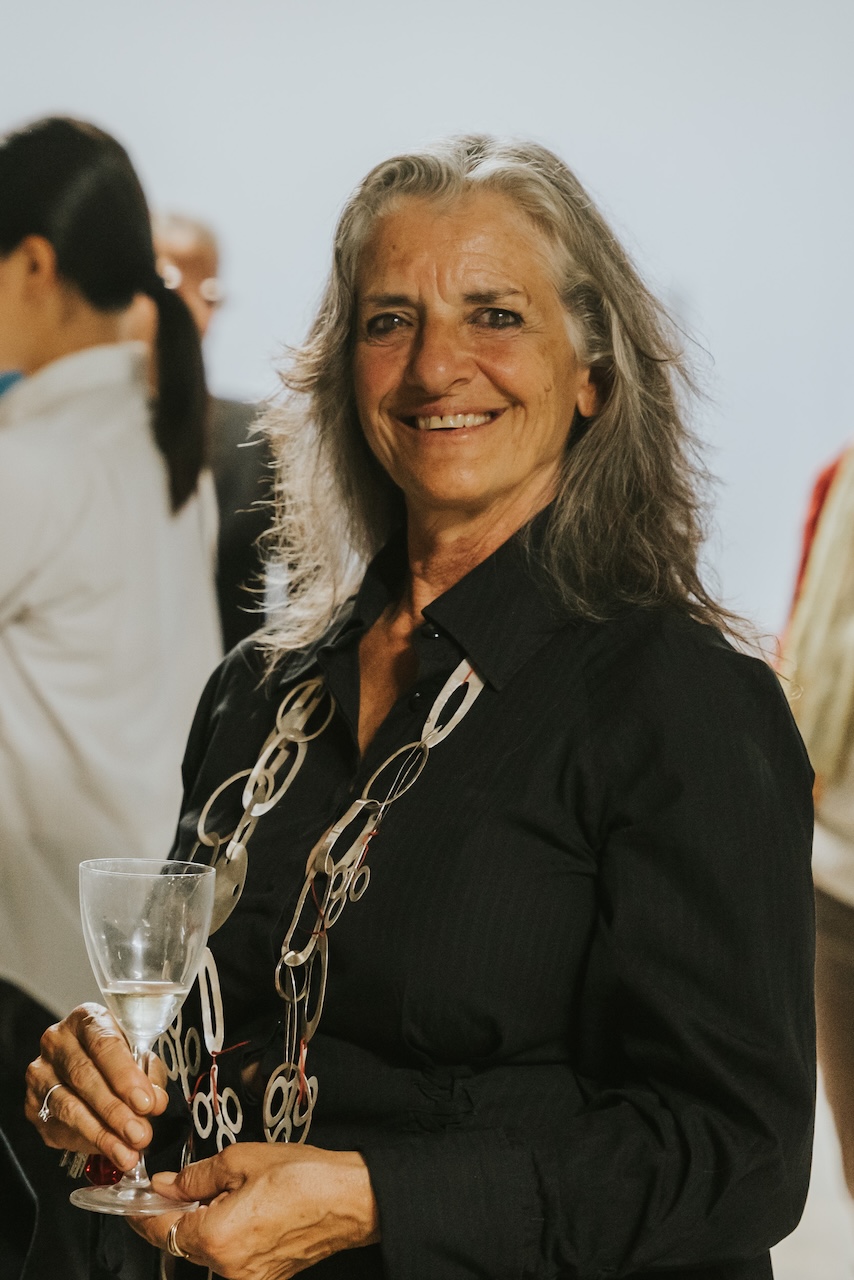
The initiative, founded by greek architect Maria Papadaki Badanjaki and supported by the municipalities of Pelago and nearby Pontassieve, aims to create a multidisciplinary and internationally oriented cultural hub in a former industrial complex along the river .
From industrial site to cultural hub on the Sieve
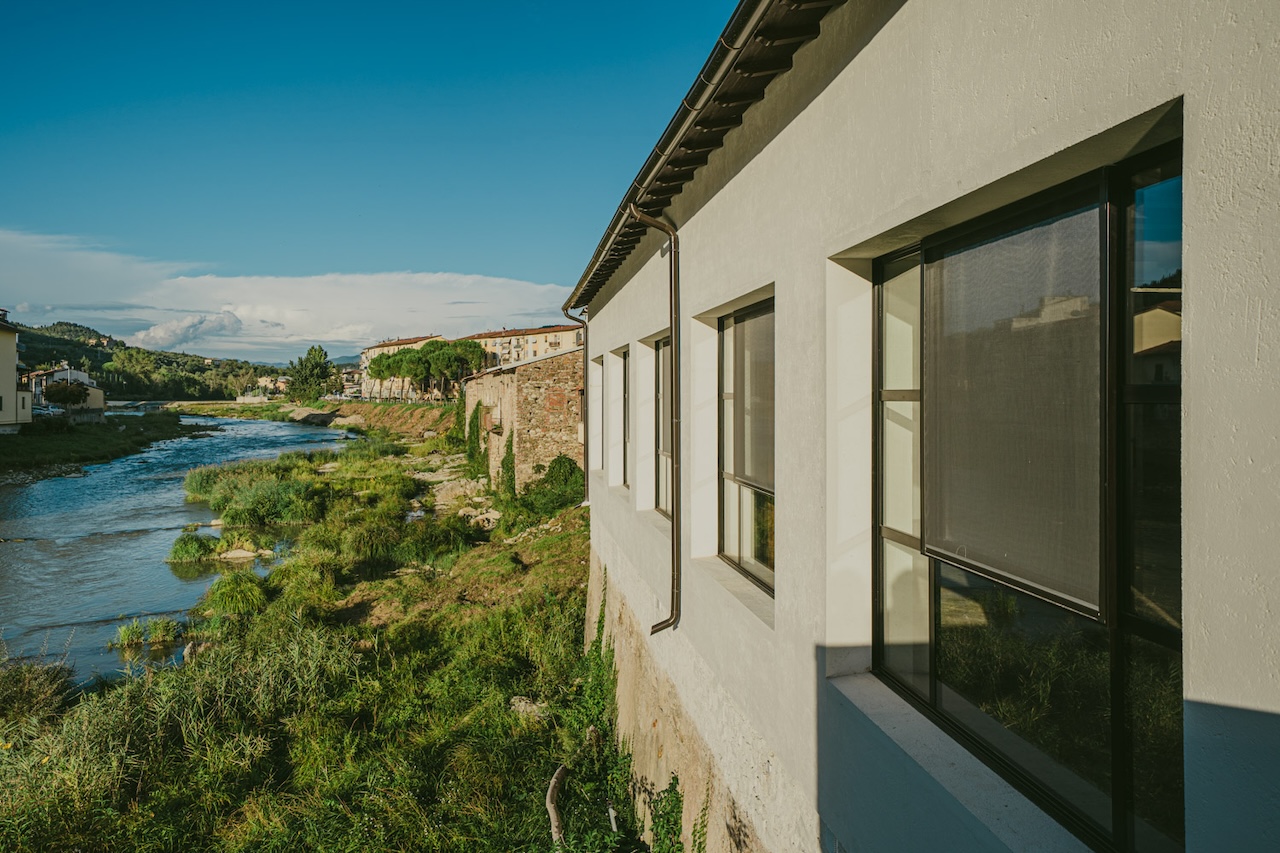
Polytropon is located in Via del Molino 21, in a converted industrial complex near the 16th-century Medici bridge over the Sieve. The site historically housed hydraulic buildings including a mill, a fulling mill and later a spinning factory, remaining in productive use until the late 1960s .
The restoration project has transformed the former factory into two main spaces: a 240-square-metre gallery overlooking the river and a 135-square-metre project room set below street level, once used as a hydroelectric plant and later as storage . The industrial character of the complex has been preserved as part of its identity.
Pelago is a town in the Metropolitan City of Florence, in the hilly area between Florence and the Casentino, not far from Pontassieve. The choice to open a contemporary arts centre here represents a deliberate move to decentralise cultural production from Florence’s historic centre to the wider territory.
Alfredo Pirri’s “Quello che avanza”
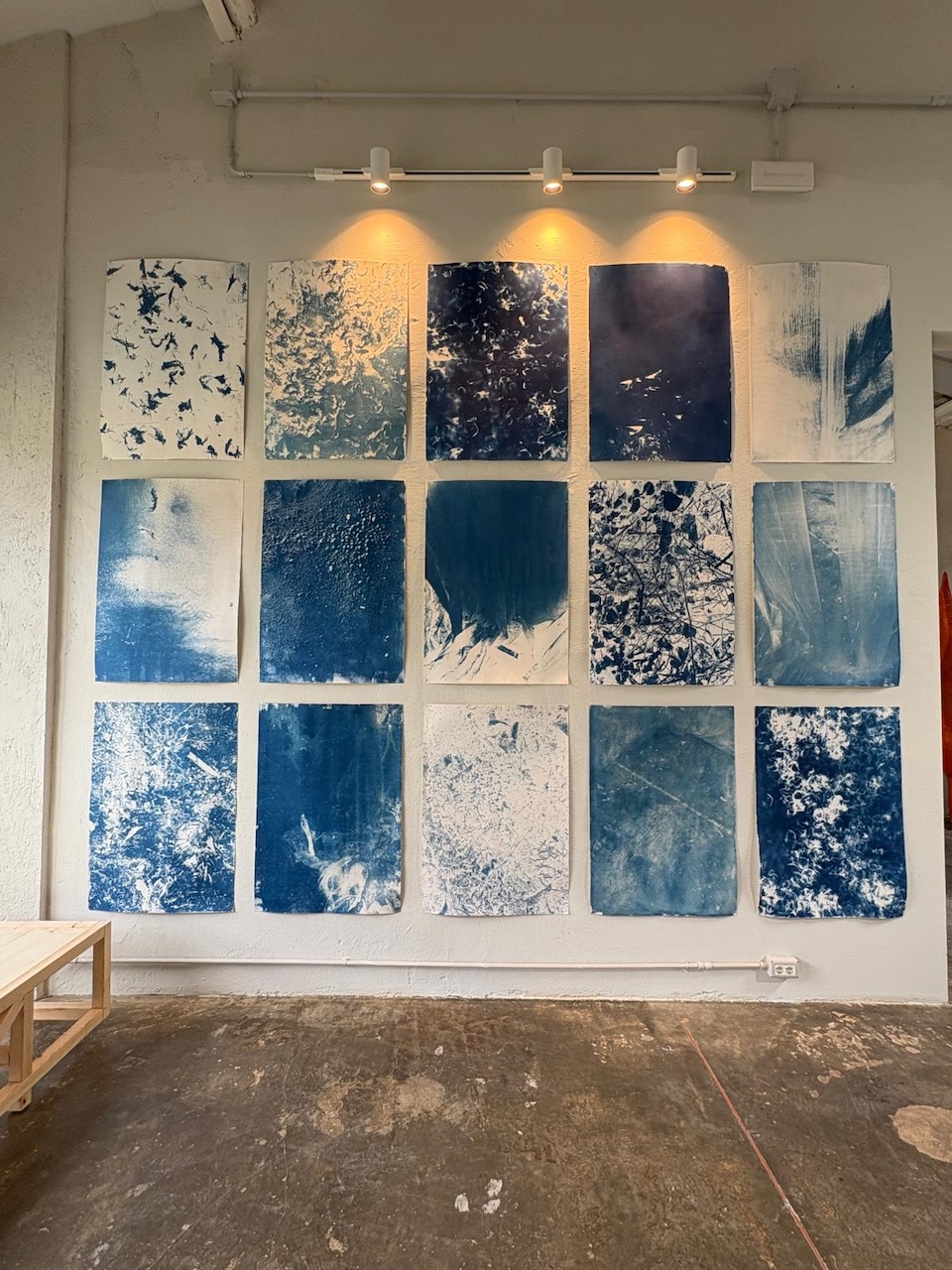
The centre will open with “Quello che avanza” (“What remains”), a large environmental installation conceived specifically for Polytropon by Alfredo Pirri and on view until 21 June .
The project revolves around cyanotypes, a historic photographic technique based on light-sensitive chemical processes. Pirri produced 144 sheets for the installation: 130 document phases of work and residual materials, while 14 are created by exposing feathers directly to UV light . The result is an immersive field of intense blue surfaces that reflect on memory, time and material transformation.
The title refers both to what remains after a process and to what emerges because of it. In dialogue with the cyanotypes, works from Pirri’s ARIE series introduce materials such as feathers, pigments, plexiglass and crystal, further exploring the tension between presence and dissolution .
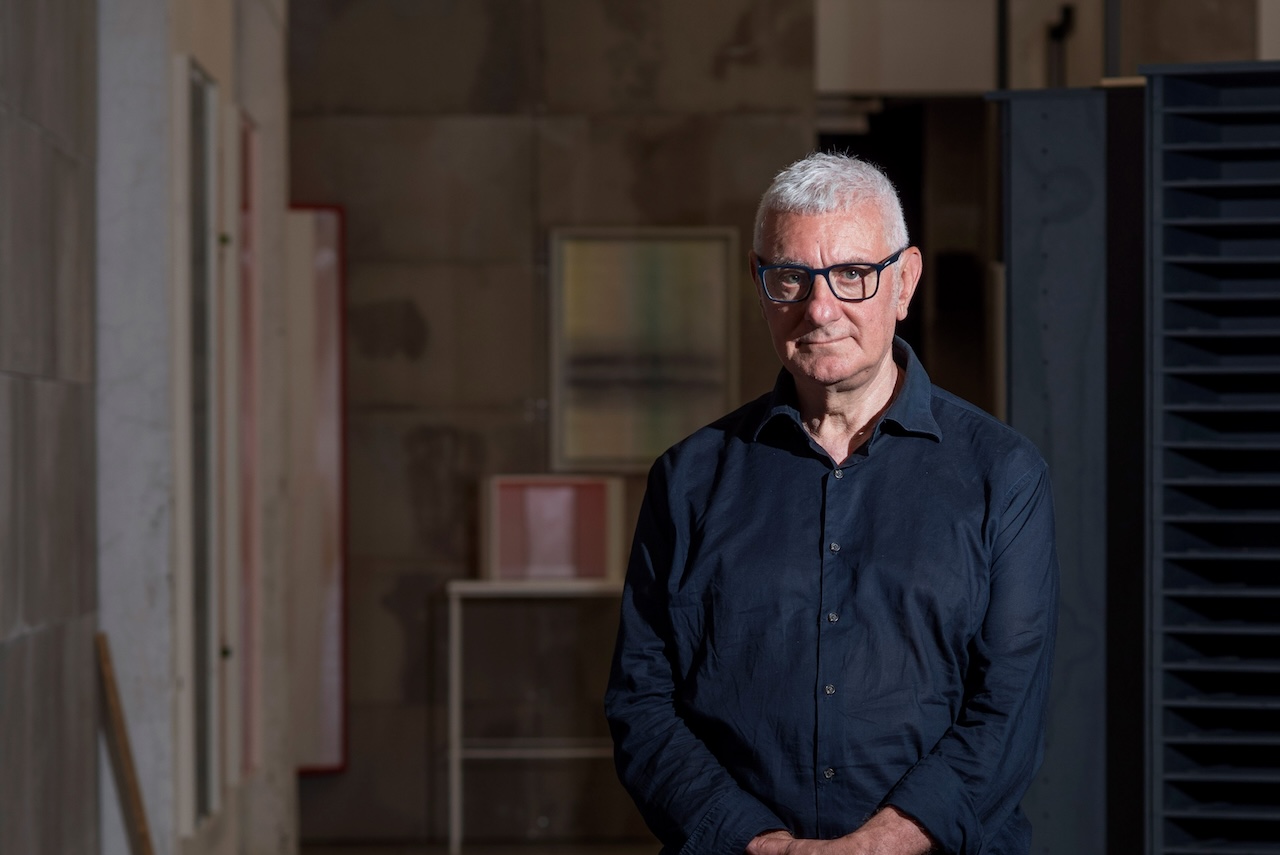
Pirri, born in Cosenza in 1957, is known for site-specific interventions in museums and public spaces in Italy and abroad. With this project he returns to Tuscany to engage with the industrial archaeology of the Sieve valley.
An international and multidisciplinary programme
Around the inaugural installation, Polytropon will host a spring–summer season combining visual arts, music, performance and educational activities. The opening day on 1 March will run from 12 p.m. to 7 p.m., followed by workshops and masterclasses with Pirri for young artists and cultural operators from the Florence metropolitan area .
The programme also includes concerts and recitals dedicated to 20th-century and contemporary music, with internationally recognised performers, and events designed to connect local audiences with global artistic debates .
According to the centre’s founding documents, Polytropon intends to support both local and international artists, encourage interdisciplinary experimentation and foster intercultural exchange . The long-term goal is to create a sustainable, non-profit cultural hub that bridges local communities and international networks.
A cultural bet outside Florence
Opening an international-facing contemporary arts centre in a town of just over 7,000 residents is a significant challenge. Pelago is not on traditional tourist routes, and public transport connections are more limited than in Florence.
For its founders, however, this peripheral location is part of the project’s identity. By situating contemporary art in a former industrial site along the Sieve river, Polytropon positions itself as a space where historical production, landscape and new artistic practices intersect.
If successful, the initiative could contribute to a broader rebalancing of cultural life in the Florence metropolitan area, extending opportunities for artists and audiences beyond the city’s UNESCO-listed historic centre and into the surrounding valleys.
❤️ Support Florence Daily News
If you liked this article, please consider supporting Florence Daily News.
We are an independent news site, free from paywalls and intrusive ads, committed to providing clear and reliable reporting on Florence and Tuscany for everyone.
Your support — whether a one-time gift or a regular contribution — helps us stay independent and keep telling the stories that matter.
Donate securely via Stripe below.
Make a one-time donation
Make a monthly donation
Make a yearly donation
Choose an amount
Or enter a custom amount
Your contribution is appreciated.
Your contribution is appreciated.
Your contribution is appreciated.
Discover more from Florence Daily News
Subscribe to get the latest posts sent to your email.