
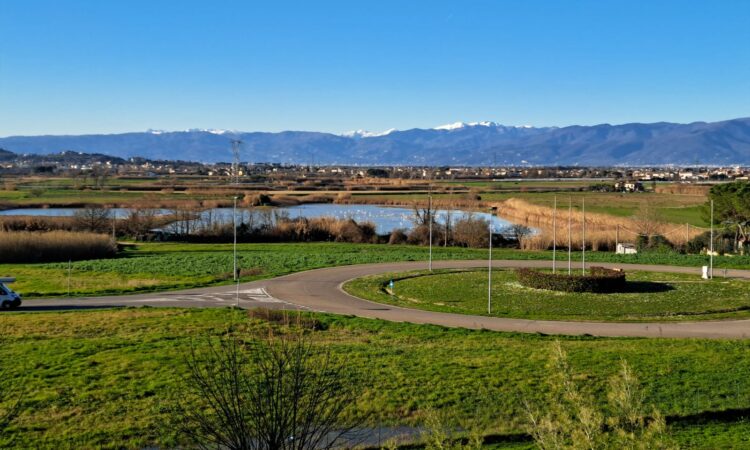
What began as a little-known urban planning proposal in the town of Signa, just west of Florence, has gradually developed into a structured citizens’ movement raising environmental, planning and institutional questions that have now reached both municipal and regional councils.
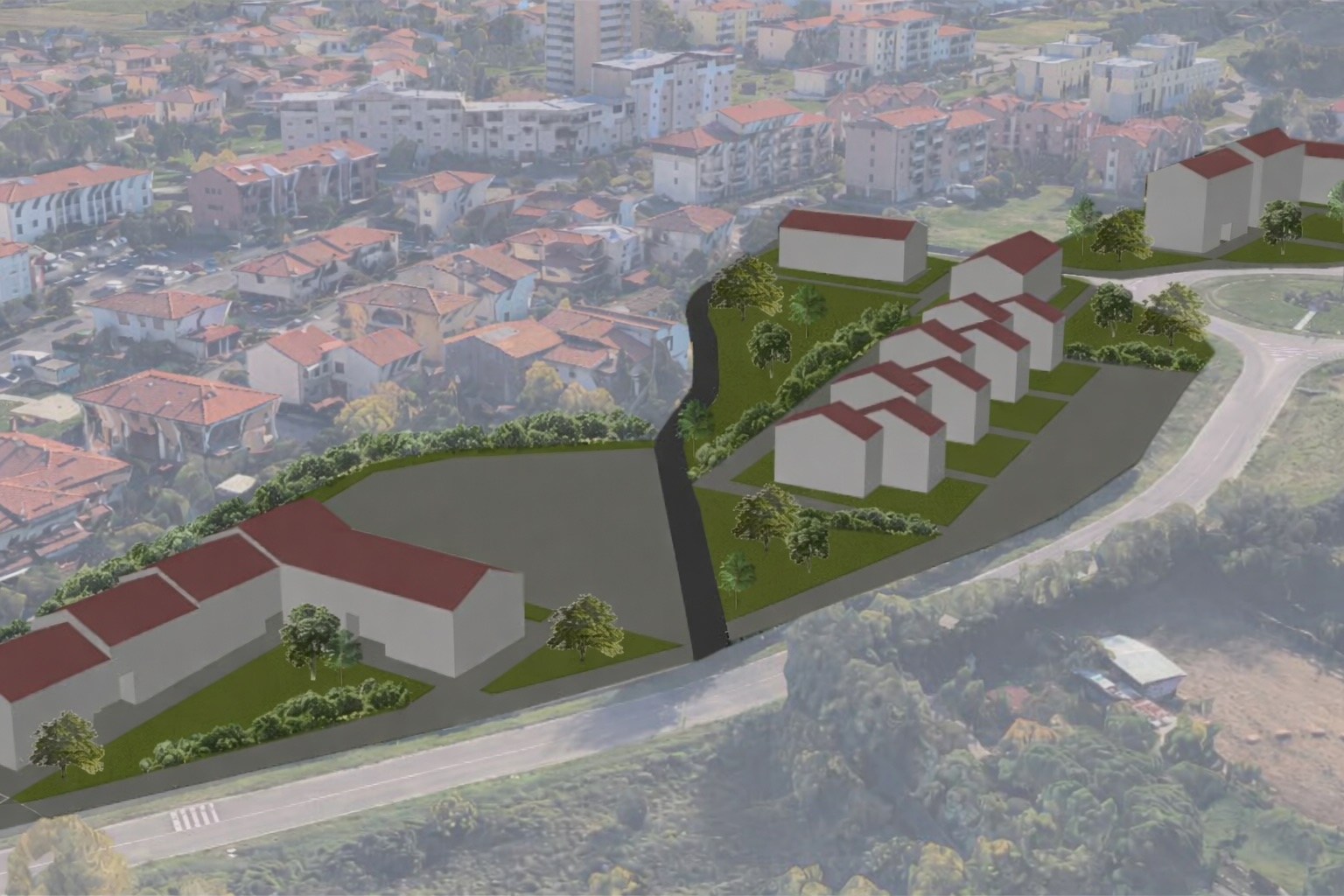
At the centre of the dispute is a section of the new municipal Operational Plan currently under approval. The plan includes a large residential development and new road infrastructure in the Crocifisso area, on the edge of the Padule di Signa, a protected wetland that is part of the European Natura 2000 network.
From lack of information to civic mobilisation
According to residents, the scale of the planned development only became clear to many citizens in early 2025, when technical planning documents began circulating locally. The proposal involves more than 114,000 square metres of agricultural and green land, with new buildings, soil sealing and a new road crossing areas close to the wetland.
Concerned residents — many of whom say they were not previously informed about the project — formed the Comitato Territorio e Buonsenso del Crocifisso, a grassroots committee aimed at understanding and contesting the planning choices. Within a few months, the committee attracted hundreds of members and supporters, signalling growing public interest in the issue.
The movement does not oppose housing development in principle, but questions the location and environmental sustainability of the project, particularly given the area’s role in biodiversity protection and flood mitigation.
Environmental and planning concerns
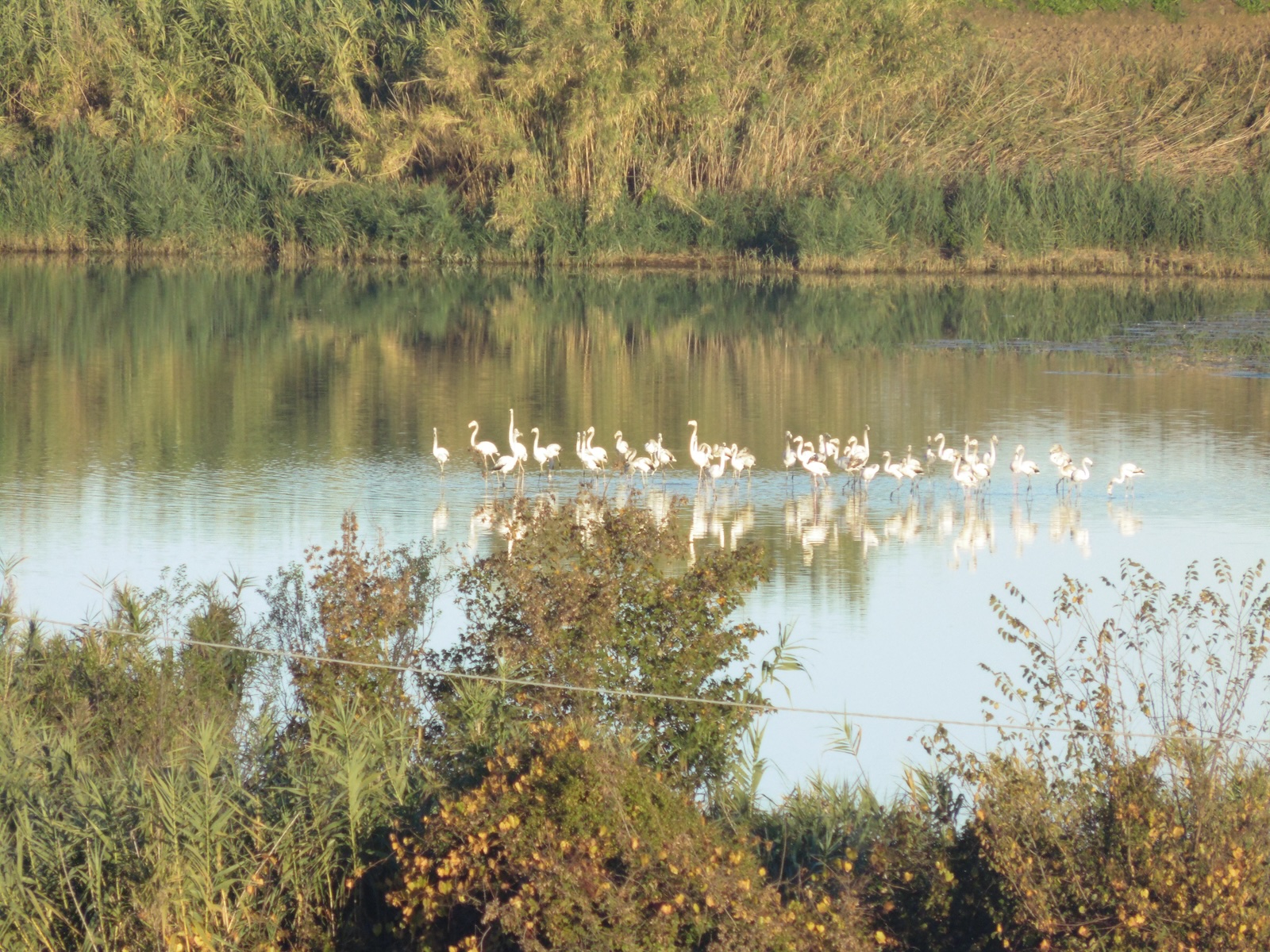
The Padule di Signa is classified as both a Special Protection Area and a Site of Community Importance under EU environmental law. Beyond its role as a natural floodplain in a territory historically affected by flooding along the Arno and Bisenzio river systems, the wetland also includes a lake that serves as a stopover site for migratory birds, including flamingos observed during seasonal migrations. This ecological function reinforces the area’s importance for biodiversity conservation at a regional and European level.
Critics of the plan argue that new construction and additional impermeable surfaces could increase hydrogeological risk and undermine regional strategies aimed at reducing land consumption. These concerns gained further attention in early 2026, when Tuscany approved a €60 million package of flood-prevention works in the same area, raising questions about policy coherence between regional investment and local urban expansion.
An alternative proposal: regeneration without new building
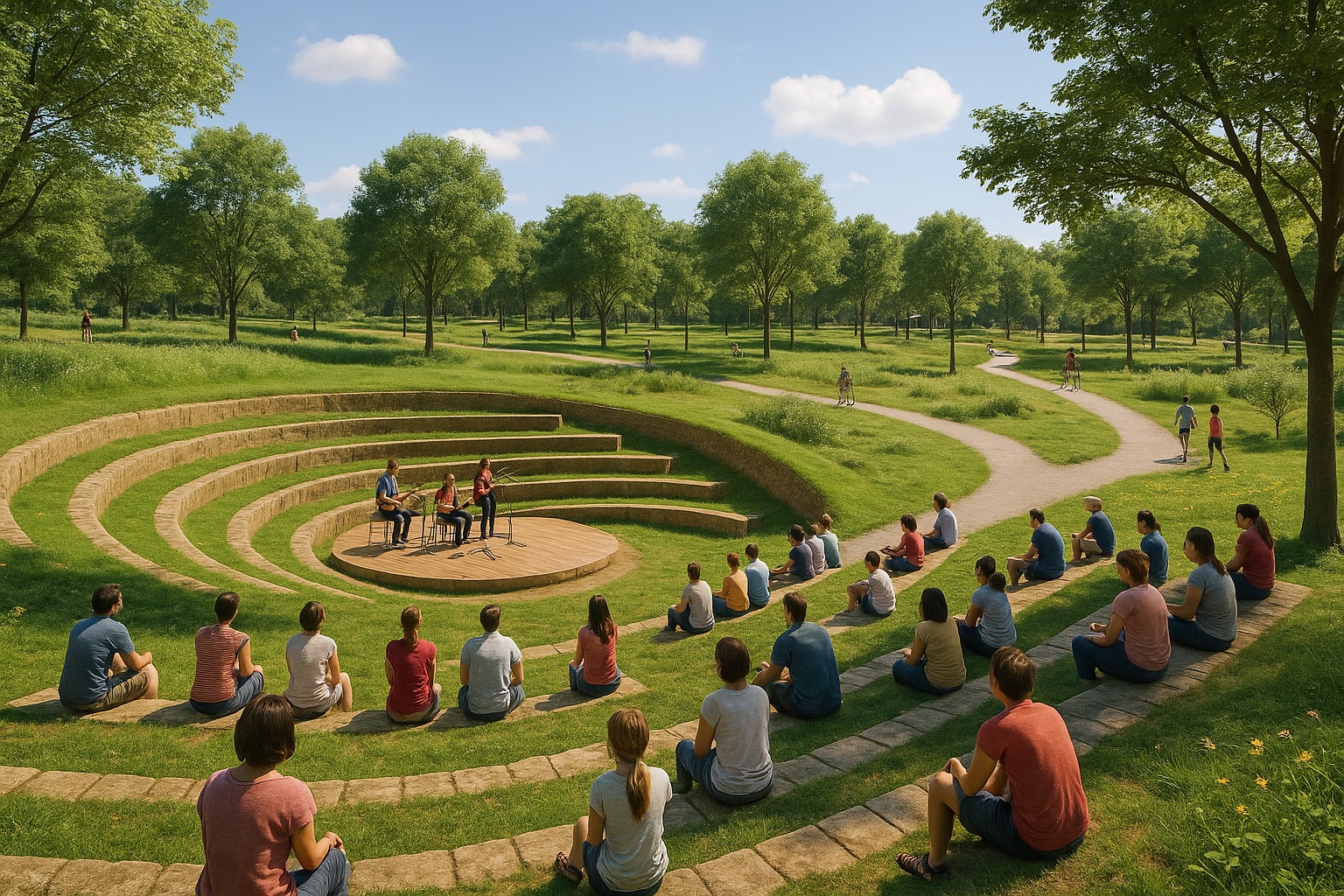
Rather than limiting its activity to opposition, the committee commissioned an alternative masterplan known as “Terrazza sul Padule”, proposing a large public park, green corridors, pedestrian and cycling paths, and community spaces — all without new residential construction.
The proposal frames the Crocifisso area not as vacant land to be urbanised, but as a strategic buffer between the town and the wetland, capable of enhancing environmental protection while offering public services and recreational spaces.
From the streets to the institutions
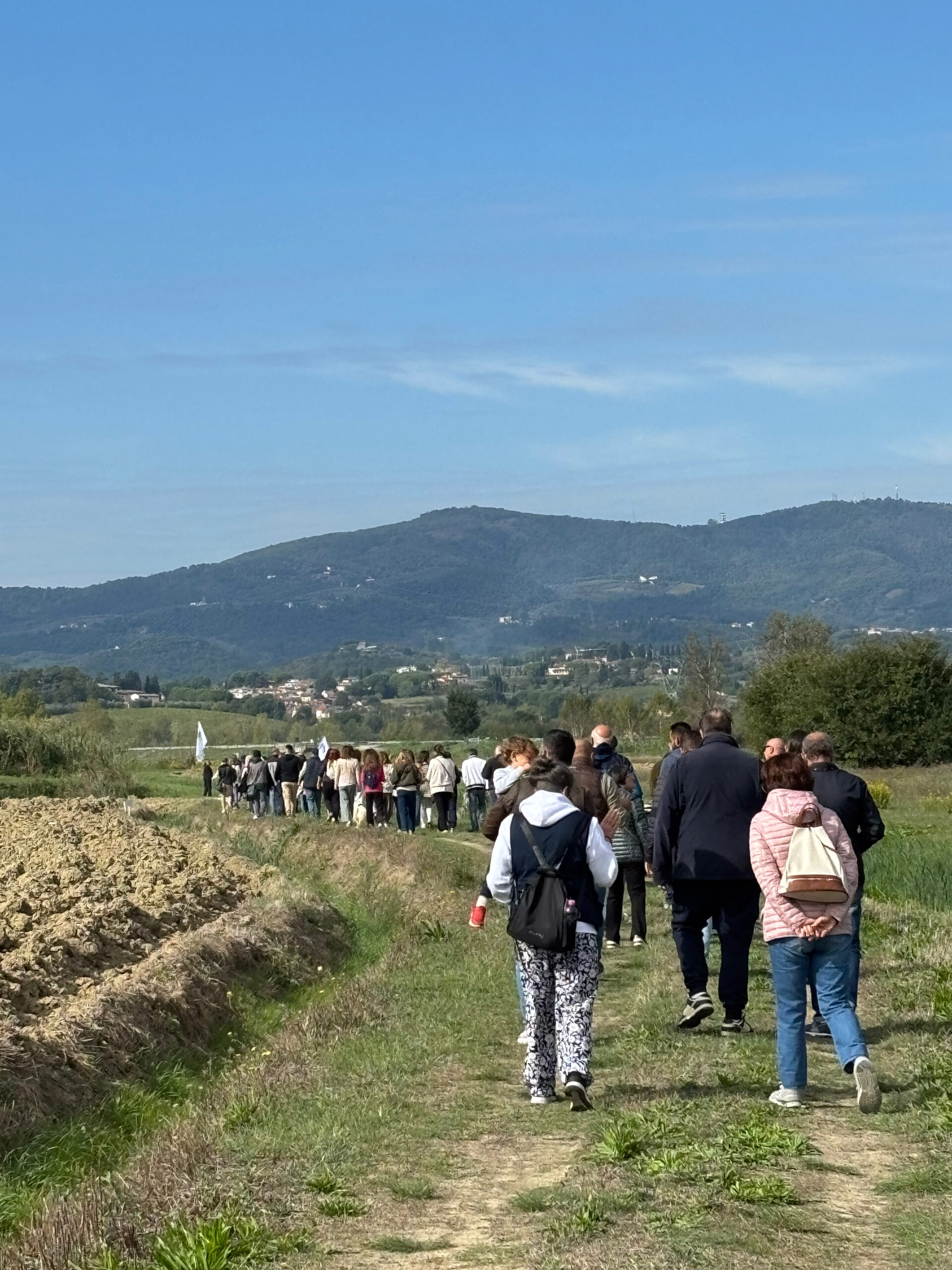
Throughout 2025, the issue moved beyond neighbourhood meetings. Public information campaigns, market-day initiatives and a large urban walk along the affected area attracted wide participation. The debate eventually entered formal political arenas.
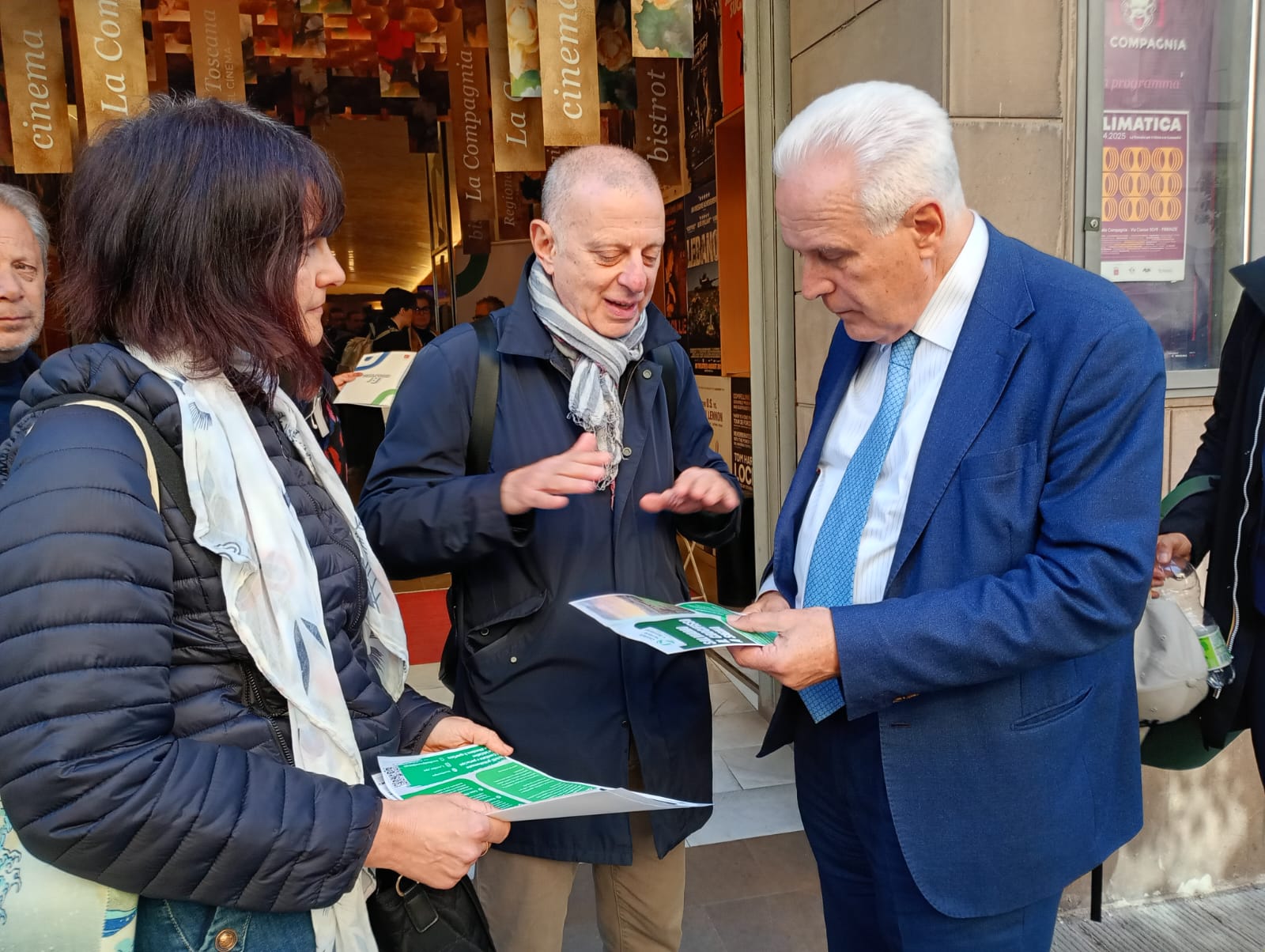
First, a regional council question asked the Tuscany government to assess whether the municipal plan complies with regional landscape and land-use policies. More recently, a written question was filed in the Signa city council itself, requesting clarification on environmental assessments, planning procedures and the evaluation of alternatives, and calling for the citizens’ committee to be formally heard by the relevant council commission.
A local case with broader implications
While centred on a single Tuscan town, the Signa case reflects wider European tensions between urban expansion, environmental protection and citizen participation in planning decisions. It can offer a clear example of how local communities can mobilise around technical planning processes — often only after discovering their implications — and bring them into public and institutional debate.
The next steps will depend on how local and regional authorities respond to the requests for clarification and public hearings, and whether the planning process will incorporate revisions or alternative scenarios before final approval.
❤️ Support Florence Daily News
If you liked this article, please consider supporting Florence Daily News.
We are an independent news site, free from paywalls and intrusive ads, committed to providing clear and reliable reporting on Florence and Tuscany for everyone.
Your support — whether a one-time gift or a regular contribution — helps us stay independent and keep telling the stories that matter.
Donate securely via Stripe below.
Make a one-time donation
Make a monthly donation
Make a yearly donation
Choose an amount
Or enter a custom amount
Your contribution is appreciated.
Your contribution is appreciated.
Your contribution is appreciated.
DonateDonate monthlyDonate yearly
Marco Bastiani is an Italian journalist based in Florence. He is the founder of Florence Daily News, launched in 2011, and has been working in journalism since 1998. Formerly political editor at Il Giornale della Toscana, he later took on senior communication roles in both public and private institutions. A board member of the Tuscan Foundation of the Order of Journalists and a member of ASET, the Tuscan association of food, wine and agri-food journalists, he loves the sea and Greece, and has two children.
Discover more from Florence Daily News
Subscribe to get the latest posts sent to your email.