
Romantic tourism accounts for approximately 1.5 million overnight stays and 610,000 arrivals each year across the Florence metropolitan area, representing 9.6% of total tourist stays, according to research commissioned by Fondazione Destination Florence.
The findings, released in November 2026, suggest that holidays centred on relationships, anniversaries, honeymoons and marriage proposals represent a significant part of Florence’s tourism economy, although many accommodation providers have yet to develop services specifically for this market.
The study was conducted by the Centro Studi Turistici tourism research centre between June and August 2026, surveying 386 accommodation businesses across the Metropolitan City of Florence, which includes the city itself and surrounding towns and countryside.
International visitors drive demand
Romantic travellers spend between 40% and 45% more on accommodation and additional services than the average leisure tourist, according to the research.
International visitors account for 74% of this market, with Americans representing the largest group at 29%, followed by visitors from the United Kingdom, Germany and France.
The typical romantic traveller is around 40 years old, with more than 63% of guests aged between 26 and 45.
The average stay lasts 2.5 nights, although 59% of visitors spend just one or two nights at their destination. Popular additional services include couples’ wellness treatments and welcome bottles provided by hotels.
Anniversaries and weekend breaks are more common than weddings
Although Florence has an established reputation as a destination for international weddings, the research shows that romantic tourism extends well beyond marriage ceremonies and honeymoons.
Anniversaries and other significant occasions are the most frequently reported reasons for romantic stays, mentioned by 67.9% of accommodation operators surveyed.
Romantic weekend breaks and honeymoons were each identified by 57.1% of respondents, followed by birthdays at 28.6%.
Wedding-related stays accounted for 21.4% of responses, while marriage proposals and engagements were mentioned by 17.9%.
Other occasions include familymoons, or honeymoon-style trips involving children, at 7.1%, and wedding vow renewals at 3.6%.
These percentages reflect the motivations reported by accommodation providers and are not mutually exclusive shares of total visitors.
Carlotta Ferrari, director of Fondazione Destination Florence, said the findings illustrate how romantic travel can accompany couples through different stages of their lives, creating opportunities for accommodation businesses to offer services tailored to different occasions.
Most hotels do not offer dedicated romantic packages
Despite the scale of demand, the study identifies a substantial gap between visitor interests and the services currently available.
Only 21.2% of accommodation providers offer experiences specifically designed for romantic travellers, generally arranged upon request. Just 6.1% have dedicated packages included in their standard offerings.
The remaining 78.8% do not currently provide themed experiences, although approximately three in ten operators expressed an interest in considering them.
Almost 90% of the businesses surveyed do not participate in specialist tourism fairs or workshops focused on this market.
Laura Masi, president of Fondazione Destination Florence, said the results point to an established demand for romantic experiences but a tourism industry that has not yet fully organised its services around this type of travel.
The foundation plans to work with accommodation businesses and local tourism authorities across the metropolitan area to develop more specific offerings and improve their visibility in international markets.
Could romantic tourism bring more visitors in winter?
The study also examines whether romantic travel could help Florence attract visitors outside the busiest tourism months.
At present, romantic tourism largely follows the same seasonal patterns as the wider visitor economy.
May was identified as a peak month by 65.3% of accommodation operators, followed by June and September. February, despite Valentine’s Day, was mentioned by only 6.9%.
This suggests that romantic tourism is not yet significantly changing the seasonal distribution of visitors.
When asked how demand could be encouraged during quieter periods, 44.9% of operators supported targeted campaigns in international markets, while 40.3% identified seasonal storytelling and promotional initiatives.
Another 35.1% favoured packages combining wellness experiences, food and wine, and cultural activities.
Fondazione Destination Florence sees the sector as a possible way to spread tourism more evenly throughout the year, alongside its existing work on destination weddings and business events.
The foundation is also developing The Art of Winter, an initiative intended to encourage visits during the traditionally quieter months.
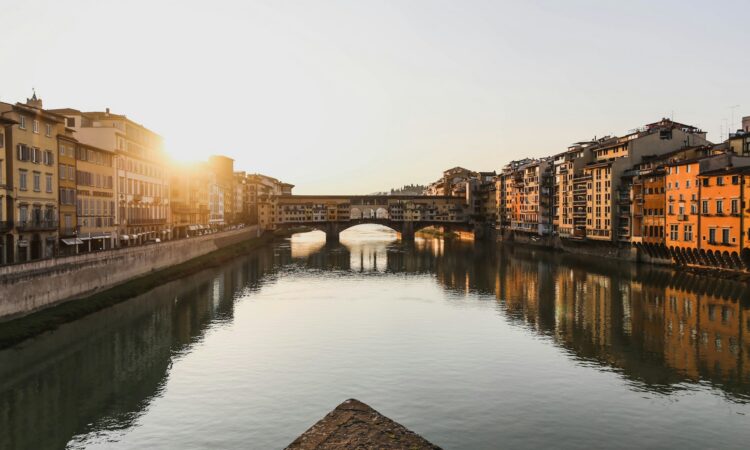
(Cover photo by Giuseppe Mondì via Unsplash)
❤️ Support Florence Daily News
If you liked this article, please consider supporting Florence Daily News.
We are an independent news site, free from paywalls and intrusive ads, committed to providing clear and reliable reporting on Florence and Tuscany for everyone.
Your support — whether a one-time gift or a regular contribution — helps us stay independent and keep telling the stories that matter.
Donate securely via Stripe below.
Make a one-time donation
Make a monthly donation
Make a yearly donation
Choose an amount
Or enter a custom amount
Your contribution is appreciated.
Your contribution is appreciated.
Your contribution is appreciated.
Discover more from Florence Daily News
Subscribe to get the latest posts sent to your email.