


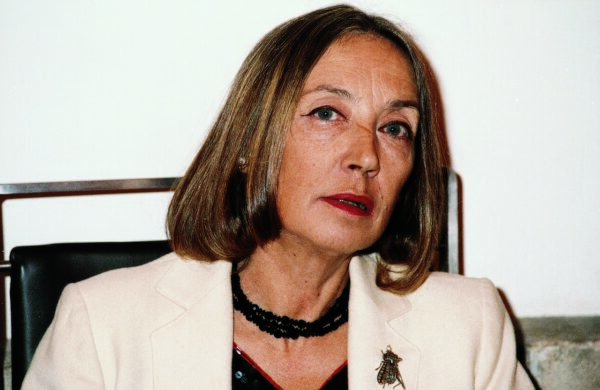
Twenty years after the death of Oriana Fallaci, Florence and Tuscany are preparing a series of initiatives dedicated to one of the most internationally recognised Italian journalists and writers of the 20th century.
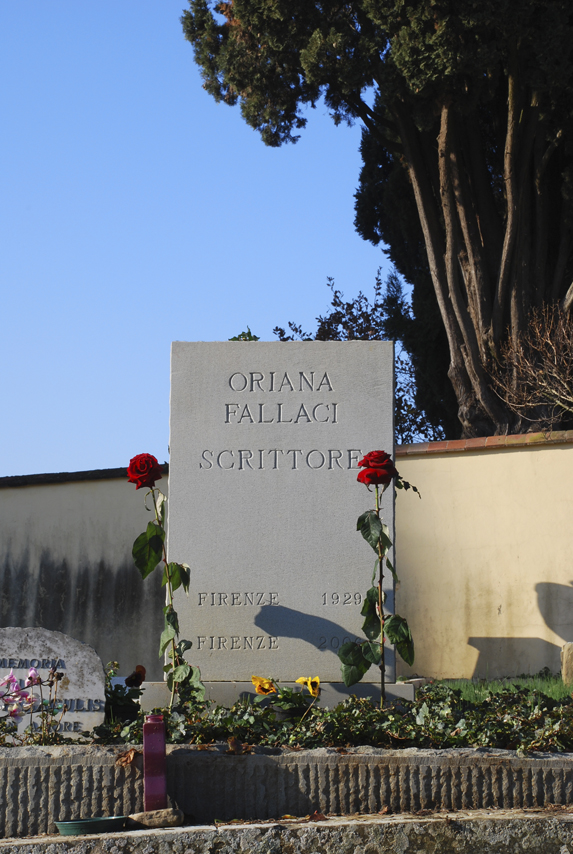
Fallaci died in Florence on September 15, 2006. Ahead of this year’s anniversary, the city has announced that the green area bearing her name in front of the Fortezza da Basso will officially become the Oriana Fallaci Garden, replacing its current designation as Piazzale Oriana Fallaci.
The change follows requests from residents and was agreed with Edoardo Perazzi, Fallaci’s nephew and heir. The area, a historic garden designed as part of Giuseppe Poggi’s 19th-century transformation of Florence, was dedicated to Fallaci ten years ago, together with the nearby tram stop.
Mayor Sara Funaro said the new name would better reflect the character of the space and announced that a tree will also be planted there on the anniversary of Fallaci’s death.
“We want to celebrate with all the attention that a figure like Oriana Fallaci deserves,” Funaro said, describing her as a journalist and intellectual who left an indelible mark while also remaining a complex figure whose work continues to invite discussion.
The city’s programme will include a commemoration at the Cimitero degli Allori, where Fallaci is buried, as well as cultural events involving the Gabinetto Vieusseux and the Teatro della Toscana. At the Teatro della Pergola, Occidente Oriente will revisit the intellectual encounter between Fallaci and another major Tuscan journalist and writer, Tiziano Terzani.
The Tuscany Region is also preparing initiatives for the anniversary, with plans to involve cultural institutions, local authorities, scholars and journalists. The programme is intended not simply as a commemoration but as an opportunity to examine Fallaci’s journalism, books and place in Italian and international culture.
Particular attention will be given to the Oriana Fallaci Archive, held by the Regional Council of Tuscany. Donated by Perazzi, the collection includes manuscripts, correspondence, photographs, books, recordings and personal objects. A major digitisation project has already produced more than 26,000 digital images of archival documents and around 2,000 reproductions of volumes from the collection. Further guided visits to the archive are also being considered for the anniversary programme.

From Florence to the world
Born in Florence on June 29, 1929, Fallaci grew up in an antifascist family and took part in the Resistance while still a teenager. She began working as a journalist at a very young age before moving into international reporting, eventually becoming a correspondent for L’Europeo and one of the best-known Italian journalists abroad.
Her career took her to some of the major conflicts and political crises of the second half of the 20th century, including the Vietnam War, the Middle East, the Indo-Pakistani conflict and Latin America. In 1968 she was wounded while reporting on the Tlatelolco massacre in Mexico City.
Fallaci became particularly famous for a style of political interviewing that was unusually direct, confrontational and deeply researched. Her interviews with some of the most powerful figures of her time — including Henry Kissinger, Indira Gandhi, Golda Meir, Yasser Arafat, Ayatollah Khomeini and Muammar Gaddafi — circulated far beyond Italy and helped make her one of the most recognisable journalists of her generation.
Her work appeared in major international publications, including the New York Times, the Washington Post, Life, Look, L’Express and Stern. Her political interviews were collected in Interview with History (Intervista con la storia), probably the book that most clearly established her international reputation as an interviewer.
Journalism gradually merged with literature in her work. Books such as Nothing, and So Be It, based on her experience in Vietnam; Letter to a Child Never Born; A Man, inspired by her relationship with Greek resistance figure Alexandros Panagoulis; and Inshallah, set against the war in Lebanon, reached readers well beyond Italy. Her books were translated into around 30 languages.
Her final years brought another phase of international attention following the September 11 attacks and the publication of a series of strongly political essays. Those writings generated intense debate and remain among the most controversial parts of her legacy.
Two decades after her death, the initiatives planned in Florence and Tuscany therefore seek to look at Fallaci beyond any single period of her career: as a Florentine shaped by the Resistance, a war correspondent, an interviewer of world leaders, a bestselling writer and a public intellectual whose work continues to be read and debated far beyond Italy.
(Cover photo: GiovanAnagelo Pistoia via Wikimedia)
❤️ Support Florence Daily News
If you liked this article, please consider supporting Florence Daily News.
We are an independent news site, free from paywalls and intrusive ads, committed to providing clear and reliable reporting on Florence and Tuscany for everyone.
Your support — whether a one-time gift or a regular contribution — helps us stay independent and keep telling the stories that matter.
Donate securely via Stripe below.
Make a one-time donation
Make a monthly donation
Make a yearly donation
Choose an amount
Or enter a custom amount
Your contribution is appreciated.
Your contribution is appreciated.
Your contribution is appreciated.

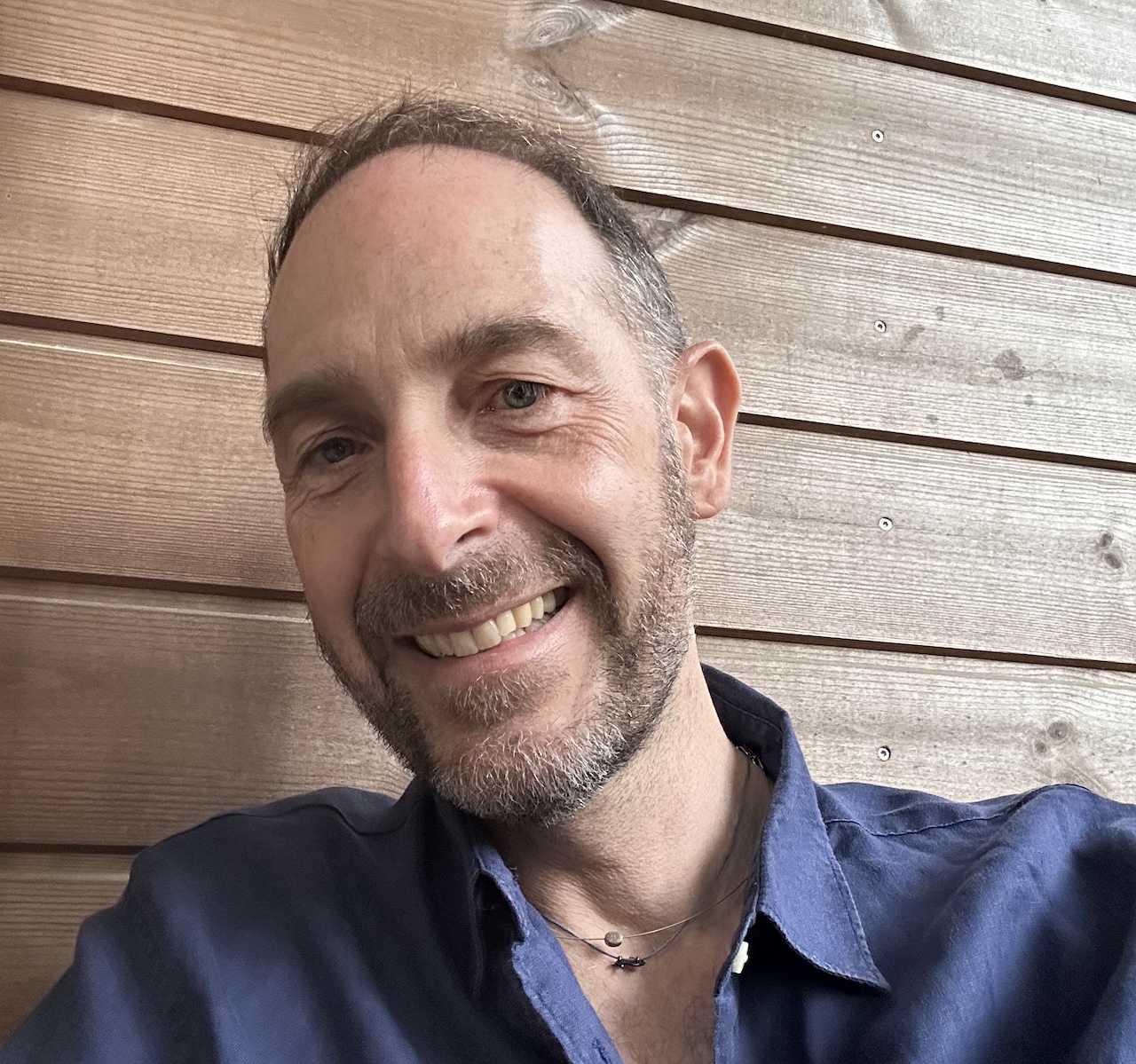
Marco Bastiani is an Italian journalist based in Florence. He is the founder of Florence Daily News, launched in 2011, and has been working in journalism since 1998. Formerly political editor at Il Giornale della Toscana, he later took on senior communication roles in both public and private institutions. A board member of the Tuscan Foundation of the Order of Journalists and a member of ASET, the Tuscan association of food, wine and agri-food journalists, he loves the sea and Greece, and has two children.