


A recent feature in the New York Times has turned international attention once again to Pietrasanta, the small Tuscan town in the province of Lucca often known as the “Little Athens” for its long connection with sculpture and marble craftsmanship.
The article, written by journalist Farah Nayeri and published earlier this month, traces Pietrasanta’s artistic identity from the Renaissance to the present day. It describes the town as an international centre for sculpture, built around a network of artisan workshops, foundries and marble studios that continue to attract artists from around the world.

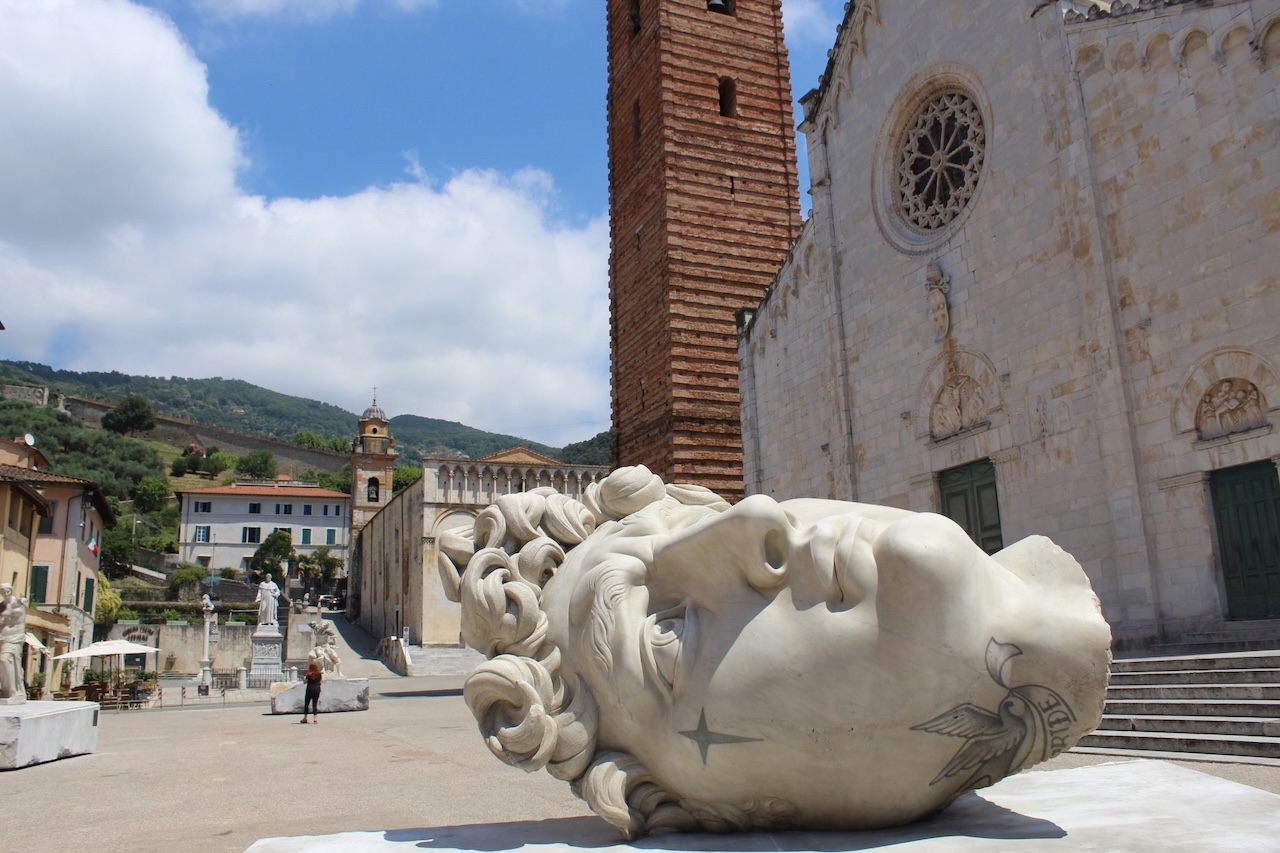
The New York Times recalls that Michelangelo personally selected marble blocks in the Pietrasanta area in 1518, when Pope Leo X commissioned him to design the façade of the Basilica of San Lorenzo in Florence. The project was never completed, but the episode helped establish the historical link between the Versilia marble district and some of the most important artistic commissions of the Renaissance.
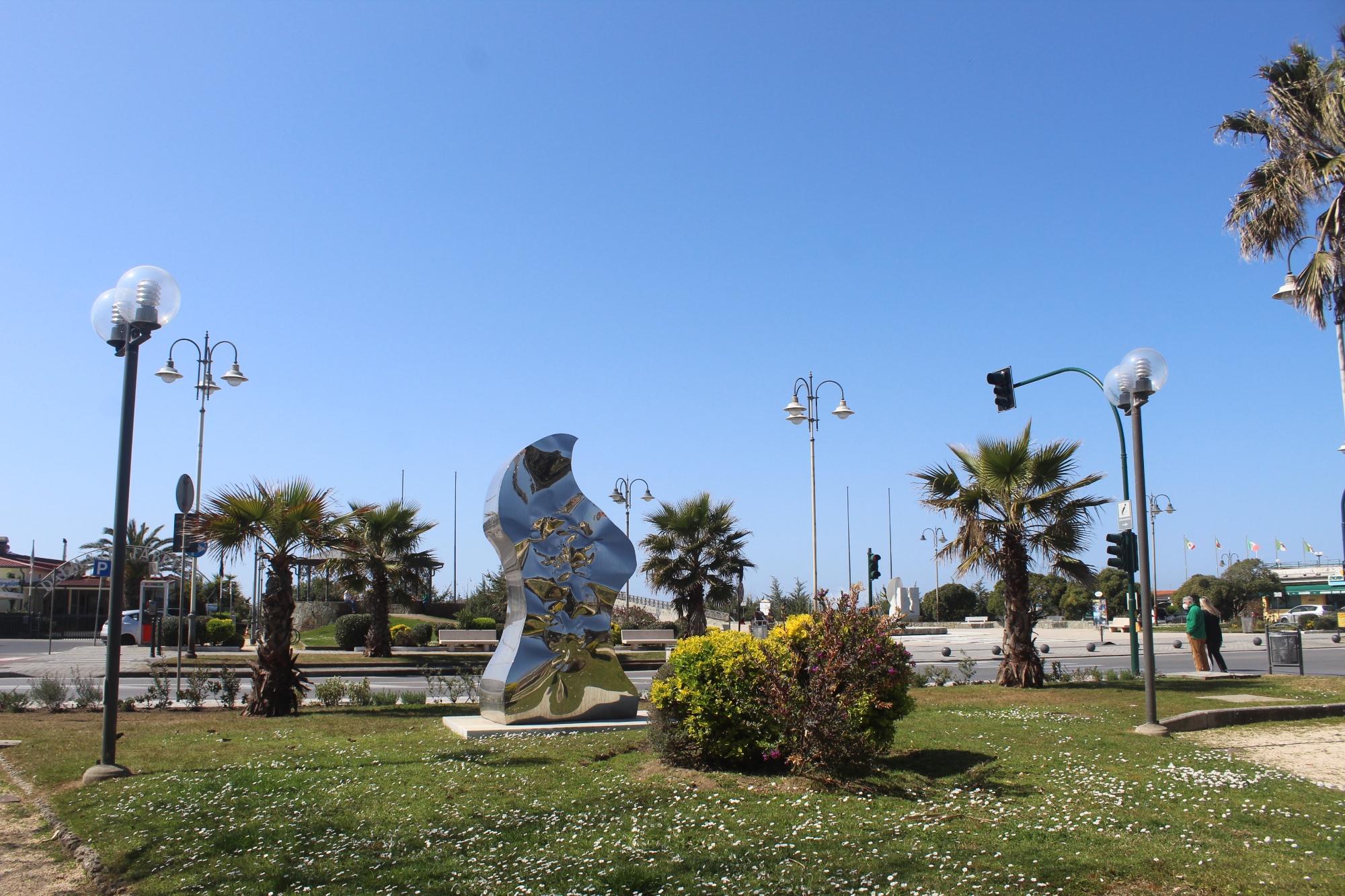
The article also focuses on the town’s contemporary artistic community and on the workshops that continue to produce large-scale sculptures in bronze and marble. Among the artists mentioned is Armenian-born sculptor Mikayel Ohanjanyan, who currently works in Pietrasanta and uses the town’s artisan network for his projects.
Particular attention is given to British sculptor Henry Moore, who began working in Pietrasanta in the 1950s. According to the article, many of the monumental bronzes Moore created for public spaces around the world were cast by local foundries and craftsmen in the Tuscan town.

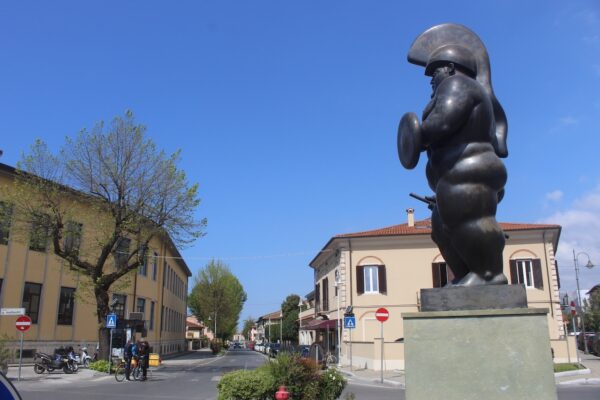
The New York Times also highlights the long relationship between Pietrasanta and Colombian artist Fernando Botero. Botero bought a house in the town in the early 1980s and regularly spent several months a year there until his death in 2023. His presence remains visible in the town through works including the large bronze Roman warrior statue in Piazza Matteotti and frescoes inside the Church of the Misericordia.
The feature briefly mentions Italian actress Gina Lollobrigida, who also spent part of the year in Pietrasanta during the later years of her life.
With a population of around 20,000, Pietrasanta has developed a reputation that goes well beyond Tuscany thanks to its combination of marble tradition, specialised craftsmanship and international artistic networks. The New York Times describes the town as a seasonal meeting point for artists, collectors and art professionals, especially during the spring and summer months.
(Photos by Comune di Pietrasanta)
❤️ Support Florence Daily News
If you liked this article, please consider supporting Florence Daily News.
We are an independent news site, free from paywalls and intrusive ads, committed to providing clear and reliable reporting on Florence and Tuscany for everyone.
Your support — whether a one-time gift or a regular contribution — helps us stay independent and keep telling the stories that matter.
Donate securely via Stripe below.
Make a one-time donation
Make a monthly donation
Make a yearly donation
Choose an amount
Or enter a custom amount
Your contribution is appreciated.
Your contribution is appreciated.
Your contribution is appreciated.